How Often Should a Water Softener Regenerate?
A main water line leak is more than just a small plumbing problem; it poses a quiet threat to your home’s structure, finances, and peace of mind. From increasing water bills to inexplicable puddles in your yard, such leaks must be addressed before they become costly tragedies. This blog will guide you on how to identify main water line leak symptoms, find hidden difficulties, and understand how to fix main water line leak problems effectively. Let’s dig in.
What Is Water Softener Regeneration?
Your main water line is the pipe that carries fresh water from the municipal supply to your home. It is the lifeblood of your plumbing system.
How a Water Softener Works
Yes, every residence with city water has a main line. Without it, there would be no flowing water to drink, bathe, or cook with.
Why Regeneration Is Necessary
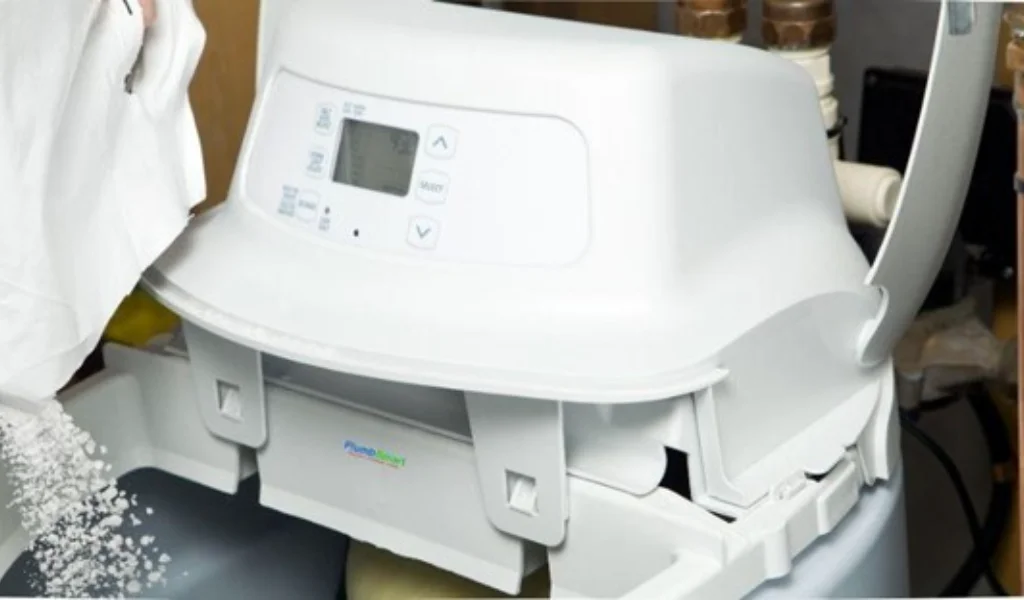
The resin beads get saturated with minerals over time, rendering them incapable of efficiently softening water. This is where water softener regeneration comes into play. Regeneration uses a saltwater brine solution to drain out trapped minerals and refresh the beads.
Salt-Based vs Salt-Free Systems: Do They Regenerate?
Salt-free water softeners do not regenerate in the same manner. To reduce accumulation, minerals are chemically altered rather than removed. These systems do not require a salt tank or a regeneration cycle, but they are not appropriate for many homes.
How Often Should a Water Softener Regenerate?
Now, the big question is: How often should a water softener regenerate to keep it working efficiently?
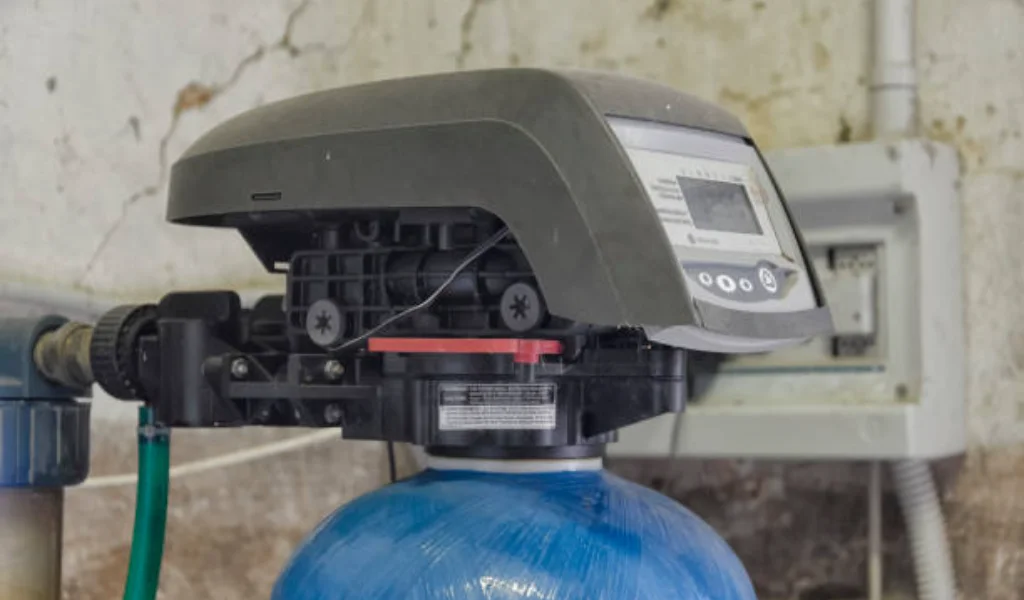
Standard Regeneration Frequency
Most systems renew every two to three days. Others could renew once each week. Some high-efficiency types renew only when necessary due to demand-driven parameters.
Factors That Affect Regeneration Frequency
No two households are identical. Several variables influence your optimum regeneration schedule.
Water Hardness Level
The harder your water, the more frequently regeneration is required. Homes with excessively hard water may require daily regeneration.
Household Water Usage
Large families or residences with high water consumption will degrade the resin faster. More use means more frequent regeneration.
Size and Age of the Softener
Older units or smaller tanks carry less resin. Thus, they fill up faster and require more frequent cycles.
Type of Regeneration Setting
Timer-based softeners automatically regenerate at predetermined intervals. Demand-initiated systems renew only when the resin is saturated, resulting in higher efficiency.
Should My Water Softener Regenerate Every Night?
Not necessarily. If your water isn’t particularly hard and your use is moderate, nightly regeneration may be unnecessary. To prevent wasting salt and water, adjust the frequency based on your household’s needs.
How Long Does Water Softener Regeneration Take?
Knowing how long does water softener regeneration take helps you plan around it, especially if you’re doing laundry or dishes.
Typical Duration of Each Regeneration Cycle
On average, a regeneration cycle takes 1.5 to 2 hours. Some modern systems may finish the cycle in under one hour.
Does It Affect Water Availability During the Process?
Yes. Most softeners redirect water during regeneration. You may have low-pressure or hard water for the period. Some dual-tank systems solve this problem by permitting continuous soft water flow.
How to Set Water Softener Regeneration Frequency
Adjusting your system’s frequency can help you get the most from it without waste. But how to set water softener regeneration frequency? Here’s how.
Timer-Based vs Demand-Initiated Regeneration
Timer-controlled softeners renew at predetermined times. Demand-activated softeners employ sensors to monitor resin saturation and renew only when necessary.
Best Practices for Customizing Regeneration Schedules
Match Regeneration to Water Usage Patterns
If your family showers primarily in the mornings, plan regeneration for late at night.
Monitor Water Hardness Changes Seasonally
Seasonal changes might affect hardness levels. Adjust your settings in response.
Use Manufacturer Guidelines as a Starting Point
Always begin with the recommended settings and then adjust based on your requirements.
Avoid Over- or Under-Regeneration
Excessive regeneration wastes salt and water. Too little leads to mineral accumulation.
Track Performance and Make Adjustments Periodically
Every few months, check the water quality and system alarms. Adjust your settings as needed.
How Long Can a Water Softener Go Without Regeneration?
Allowing your system to run too long without regenerating might result in apparent faults.
Signs of Infrequent Regeneration
Hard Water Spots on Dishes and Fixtures
White patches or a hazy coating on glasses are red flags.
Reduced Soap Lather and Cleaning Efficiency
If your shampoo fails to lather, the problem is most likely with the water.
Itchy Skin and Dry Hair After Showering
Hard water can eliminate natural oils from your skin and hair.
Resin Tank Feels Sluggish or Clogged
You may notice a decline in water pressure or unusual sounds.
Salty Taste or Odor in Water
A faulty brine rinse may leave a salty aftertaste.
Water Softener Display Shows an Alert or Error Code
Many newer systems will notify you when it’s time to renew.
FAQs
Yes, most units let you to adjust the regeneration time, which is frequently advised for nights to reduce interruption.
Depending on the model, regeneration can be triggered by time, usage volume, or resin saturation.
Check your device’s display or settings. Some even beep or flash a light to serve as a reminder.
It is not hazardous, although you may receive untreated water during the cycle. Wait until it’s finished for the greatest results.
You’re likely to encounter hard water, low pressure, and an unpleasant bathing experience. It’s best to wait it out.
Call Dinomite Service for Expert Water Heater Repair and Softener Solutions in Texas
Now that you know how often should a water softener regenerate, you’re one step closer to softer skin, cleaner dishes, and happier appliances. Still not sure about your system’s configuration or performance? Do not leave things to chance.
Dinomite Service provides experienced water softener installation, maintenance, and heater repair across Texas. Our staff can help you enhance your water quality or address hard water concerns. Call us immediately or schedule online to get your system working at peak performance!