
How to Clean Sink Drain Odor and Prevent It from Coming Back
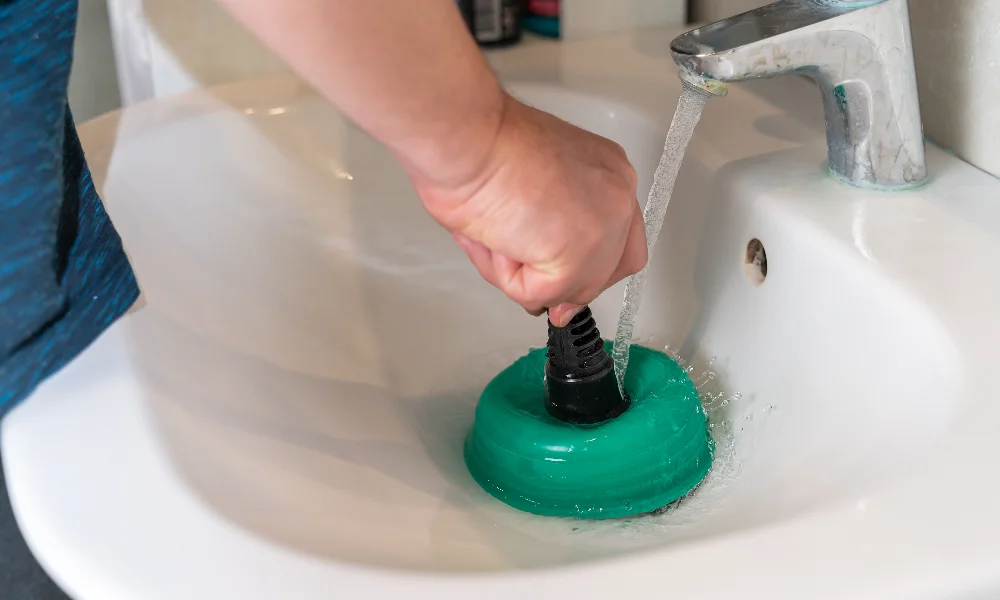
Nothing ruins a clean kitchen or bathroom faster than a foul smell from the sink drain. If you’ve found yourself wondering, “why does my sink drain smell?” you’re not alone. That unpleasant odor can make even the freshest room feel off. The good news? You can tackle the problem head-on with some simple tricks and know-how.
This guide will walk you through how to clean sink drain odor, explain why it stinks, and share ways to keep it from returning.
Why Does My Sink Drain Smell?
Before you jump into cleaning, it helps to understand what causes those nasty odors in the first place. Here are the usual suspects.
Bacteria and Biofilm Buildup
Your drain is a dark, moist place—perfect for bacteria and biofilm to thrive. These slimy layers coat the inside of your pipes and release foul odors.
Trapped Food or Organic Matter
Leftover food scraps or other organic materials trapped in the drain decay over time, creating that foul smell.
Dry P-Trap Issues
The P-trap is designed to hold water and block sewer gases. If it dries out, those gases can sneak up and cause odors.
How to Clean Sink Drain Odor
Ready to fix the problem? Here’s how to clean sink drain odor with safe, easy methods you can try today.
How Do You Make Homemade Sink Drain Deodorizer?
One of the best ways is to use common kitchen ingredients for a natural deodorizer.
Baking Soda and Vinegar
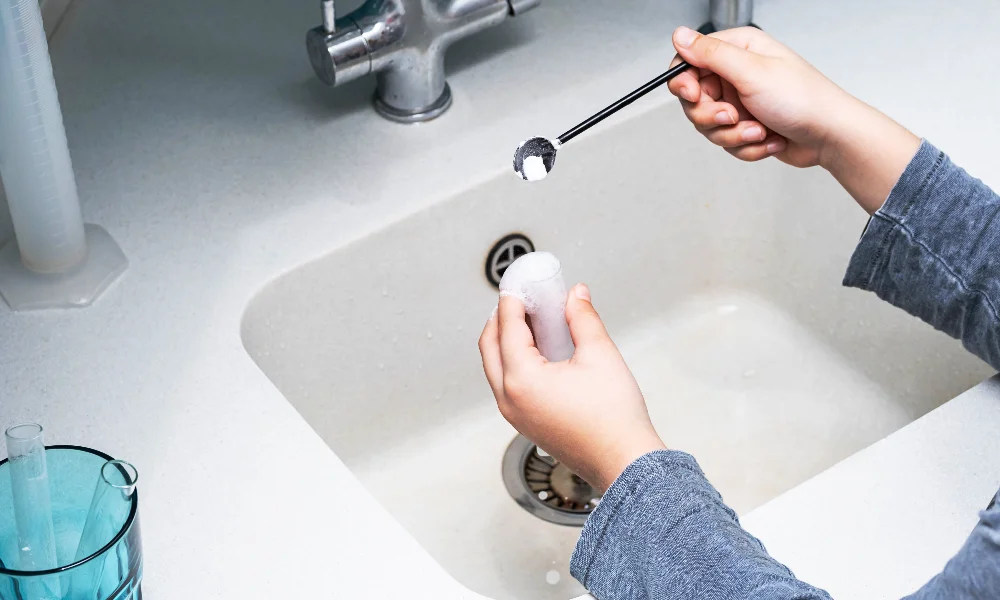
Pour half a cup of baking soda into the drain, followed by half a cup of vinegar. Let it fizz for 15 minutes, then flush with hot water.
Boiling Water
Pouring boiling water down the drain can dissolve grease and loosen grime that traps odors.
Lemon Juice and Baking Soda
Mix lemon juice with baking soda to create a fresh-smelling fizz that cleans and deodorizes your drain.
Salt and Hot Water to Break Down the Buildup
Salt scrubs away buildup while hot water rinses it down, helping clear the drain and improve the smell.
How Often Should You Clean Your Drains?
Should My Water Softener Regenerate Every Night?
Not necessarily. If your water isn’t particularly hard and your use is moderate, nightly regeneration may be unnecessary. To prevent wasting salt and water, adjust the frequency based on your household’s needs.
How Long Does Water Softener Regeneration Take?
Factors That Influence Cleaning Frequency
While a general monthly cleaning is a good habit, several factors can increase or reduce how often you should clean your sink drains. Here’s a quick breakdown:
Daily Use
If your sink gets a lot of use, especially in a busy kitchen or a shared bathroom, debris and buildup will happen faster. In such cases, cleaning your drains every 2–3 weeks is ideal to stay ahead of odors.
What Goes Down the Drain
Drains that handle grease, food scraps, soap scum, or hair will need more frequent attention. These materials easily stick to pipe walls, attracting bacteria and causing foul smells.
Household Size
The more people live in your home, the more the drain is used. A household of 4 or more should clean drains monthly, while a single-person home may only need to clean every 2–3 months.
Garbage Disposal Use
Garbage disposals can trap food particles, which rot and cause nasty odors. If you use one regularly, clean the disposal and drain every 1–2 weeks using ice cubes, citrus peels, and hot water.
Water Quality
Hard water leads to mineral buildup inside pipes, making collecting food and grime to collect. If you notice white residue around your fixtures, you may need to clean your drains more often or consider a water softener.
Past Drain Issues
If you’ve dealt with clogged or smelly drains in the past, be extra proactive. Regular cleaning can help prevent recurring issues and keep your drains flowing freely.
Ventilation and Drain Design
Poorly vented plumbing can allow odors to linger or cause P-traps to dry out. In such setups, flush drains with water more often, and consider checking your plumbing design with a professional.
Why Does My Kitchen Sink Drain Smell?
Kitchen drains have their unique challenges.
Grease, Oils, and Food Particles
Grease solidifies in the pipes and traps food scraps, leading to a smelly drain.
Garbage Disposal Buildup
A garbage disposal can help, but also trap particles if not cleaned regularly.
Drain Venting Issues
Blocked or poorly functioning vents allow sewer gases to escape through the drain.
How to Remove Bad Smell from Kitchen Drain
Regularly flush with baking soda and vinegar, and avoid pouring grease down the drain.
Why Does My Bathroom Sink Drain Smell?
Bathroom drains also develop odors for different reasons.
Hair and Soap Scum Accumulation
Hair and soap combine to form clogs and cause a stink.
Mold or Mildew Growth
Moist, dark environments encourage mold growth that smells musty.
How to Remove Bad Smell from Bathroom Drain
Use baking soda and lemon juice, and clean hair traps often to avoid odors.
What Is the Best Product to Get Rid of Smelly Drains?
Enzyme Cleaners vs. Chemical Options
Enzyme cleaners break down organic matter naturally without harsh chemicals. Chemical cleaners work fast but can damage pipes and irritate skin.
What to Avoid When Choosing Products
Stay away from harsh acids or excessive use of chemical cleaners. They can eat through your pipes over time.
Preventing Sink Drain Odors Long-Term
Cleaning is one thing, but keeping odors away is another.
Monthly Maintenance
Run a monthly cleaning using baking soda and vinegar or enzyme cleaners.
Foods and Substances to Avoid Dumping
Don’t pour grease, coffee grounds, or fibrous foods down the drain.
Proper Disposal Habits
Use a drain strainer and empty it regularly.
How to Keep P-Traps Functional
Pour water down seldom-used drains weekly. This keeps the P-trap full and blocks sewer gases from coming up. If you notice a foul odor from a guest bathroom or utility sink, chances are the P-trap has dried out. Adding just a cup of water can solve the issue instantly.
FAQs
A sulfur or “rotten egg” smell is usually caused by hydrogen sulfide gas. This can come from bacteria in your drain or your water source. To eliminate it, clean the drain using baking soda and vinegar, followed by boiling water. If the smell continues, you may need to check the water heater or call a plumber to inspect your pipes.
This odor often comes from bacteria in the drain interacting with minerals in your water. Start by cleaning your drain thoroughly. Run hot water and a disinfectant through it. If the smell remains, it might be your water supply, not just the sink. You may need a professional water quality test to identify the root cause.
Time to Say Goodbye to Sink Odors with Dinomite Service
No one wants to live with stinky drains. They’re embarrassing, unpleasant, and often a sign that something needs your attention. Whether you’re dealing with the kitchen or wondering, “why does my bathroom sink drain smell?” Taking the right steps can make all the difference.
Now that you know how to clean sink drain odor, you can keep your drains fresh and functional. From homemade solutions like lemon juice and baking soda to smart maintenance habits, a little regular effort goes a long way.
Still, some odors stick around no matter what you do. That’s when it’s time to call in the pros. At Dinomite Service, we help homeowners handle the smelly, messy jobs no one wants to handle. Our expert team is ready to inspect, clean, and fix whatever’s causing the stink in your sink.
Say goodbye to smelly drains—contact Dinomite Service today and breathe fresh again!