Where to Install Water Softener Systems for Maximum Efficiency
Nothing ruins a clean kitchen or bathroom faster than a foul smell from the sink drain. If you’ve found yourself wondering, “why does my sink drain smell?” you’re not alone. That unpleasant odor can make even the freshest room feel off. The good news? You can tackle the problem head-on with some simple tricks and know-how.
Basics of Water Softener Installation
What Is a Water Softener and How Does It Work?
A water softener is a filtering device that eliminates minerals like calcium and magnesium from water. These minerals are responsible for the hardness. Ion exchange is a procedure that softens hard water as it moves through the system.
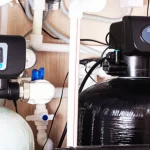
Key Components of a Water Softening System
Understanding the configuration aids in determining the optimal place for water softener installation.
Mineral Tank
This is where ion exchange occurs. Hard minerals are replaced by sodium or potassium ions.
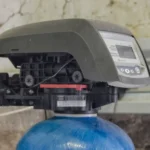
Control Valve
This component regulates water flow and triggers regeneration cycles.
Brine Tank
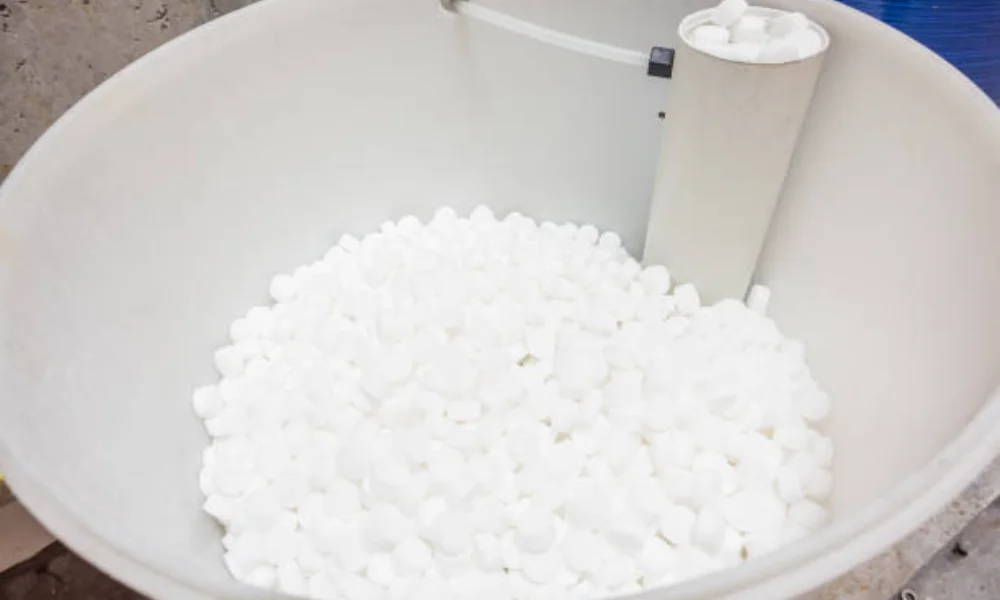
Holds the salt solution that removes hardness minerals during regeneration.
Resin Beads
These tiny beads capture calcium and magnesium ions.
Bypass Valve
Allows you to turn off the water to the softener when maintenance is required.
Drain Line
Used to remove effluent from the regeneration process.
What Makes a Water Softener Efficient?
Efficiency is determined by water use, system size, and, most crucially, where to install water softener units. Installing it incorrectly may result in reduced water pressure, delayed softening, or even damage to the device.
Where to Install a Water Softener in a House
Ideal Indoor Locations
When it comes to placement, indoors is usually ideal. It provides weather protection and easy access.
Garage
A garage offers storage, convenient plumbing access, and protection from environmental hazards.
Utility Room or Basement
These are popular choices since they are near plumbing lines and out of sight.
Near the Main Water Line Entry Point
Installing near the main line guarantees that all water entering your property is softened.
Considerations for Homes Without a Basement or Garage
In homes without a basement or garage, a tiny closet along the water line or a weatherproofed outside space may be your best option.
Proximity to Appliances and Fixtures
Locate the system upstream from the water-using appliances. This eliminates scale accumulation and extends the life of your water softener water heater setup.
Locate the system upstream of water-using appliances. This reduces scale buildup and improves the life of your water softener water heater setup.
Can a Water Softener Be Installed Anywhere?
Plumbing Access and Main Line Location
Before it can connect to appliances, the unit must first connect to the main water supply line. Without sufficient access, installation becomes problematic.
Electrical and Drainage Requirements
Water softeners require a 110V outlet and a drain for effluent. Make sure your selected venue can accommodate these.
Climate and Environmental Exposure
Extreme heat or cold might damage the device. Select an area where the temperature stays mild.
Local Building Codes and HOA Rules
Some locations have restrictions on water softener installation. Always examine the local ordinances and homeowner association restrictions.
Does a Water Softener Need to Be Next to the Water Heater?
Pros and Cons of Installing It Nearby
Tankless heaters benefit greatly from soft water. They may rapidly clog with hard water; thus, adding a softener before them is recommended.
When It Makes Sense to Separate Them
If the main line enters distance from the heater, place the softener closer to the entry point to provide better coverage.
Considerations for Tankless Water Heaters
If you’ve dealt with clogged or smelly drains in the past, be extra proactive. Regular cleaning can help prevent recurring issues and keep your drains flowing freely.
Can a Water Softener Be Installed Outside?
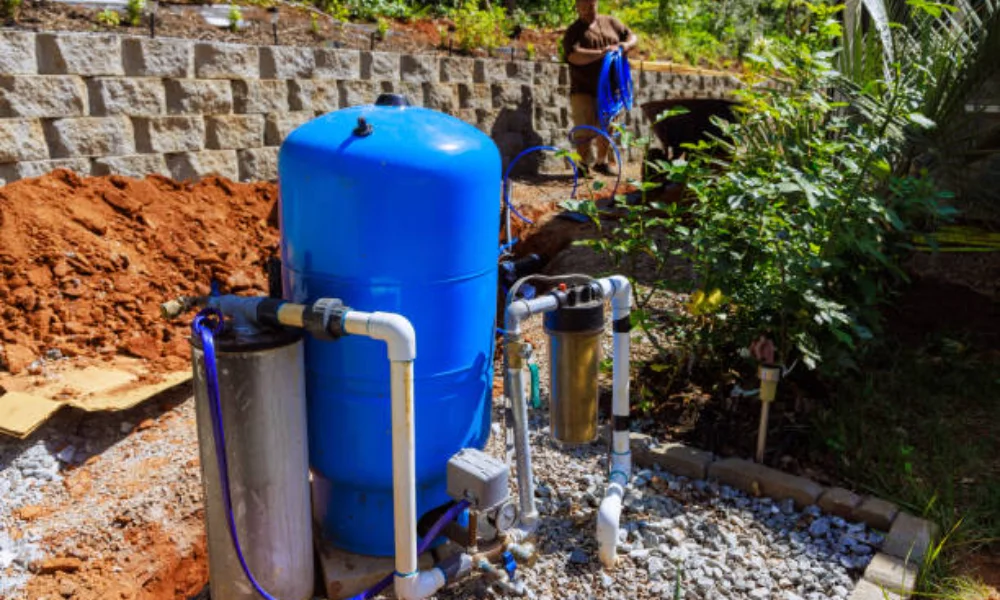
Outdoor Installation Pros and Cons
Outdoor installations reduce interior space but expose the system to weather damage and vandalism.
Weatherproofing and Protective Housing
If you must go outside, install an insulated, waterproof cover and set the unit on a concrete surface.
Texas Climate Considerations for Outdoor Units
Texas heat may be extreme. A shade or a vented cabinet might help protect the system from the sun and temperature changes.
How Much Room Is Needed for a Water Softener?
Typical Dimensions of Residential Units
Most units are around two feet broad and four to five feet tall. They also need space for hoses and connectors.
Clearance for Maintenance and Refills
Allow ample space to conveniently reach the brine tank for salt refills and routine maintenance.
Planning for Future Upgrades or Add-ons
If you intend to add a filter or upgrade in the future, keep that space in mind during water softener installation.
Where to Run a Water Softener Drain Line
Nearby Utility Sink or Floor Drain
A nearby utility sink provides a safe and convenient draining option.
Using a Standpipe or Laundry Drain
Consider installing a standpipe or laundry drain near your softener for optimal results.
Code-Compliant Air Gap Installation
Always employ an air gap to keep filthy water from siphoning back into your softener.
Avoiding Backflow Contamination
Backflow can damage your system and taint your pipes. Use check valves or vacuum breakers as needed.
How Do I Know Where to Put My Softener?
Assessing Your Home's Plumbing Layout
Find out where your main line enters. This is a great place to start.
Consulting a Professional Installer
A professional specialist can evaluate your property and propose the best location depending on usage and plumbing.
Mistakes to Avoid When Choosing a Location
If you don’t want softened water for your plants, don’t place it after outside faucets. Also, do not place it in a difficult-to-access location.
Get Expert Help from Dinomite Service for Water Softener Installation & Repair in Texas
Choosing where to install water softener units is not a guess. A bad placement can cause difficulties, additional expenditures, and ineffective performance. The proper location will make all the difference in your water quality and system longevity.
This is where Dinomite Service comes in. With skilled personnel and local knowledge throughout Texas, we guarantee that your water softener installation is completed correctly the first time. We cover repairs, maintenance, and new system installs. Book your installation today with Dinomite Service and enjoy soft, clean water throughout your house!