How to Empty a Water Heater Tank Efficiently
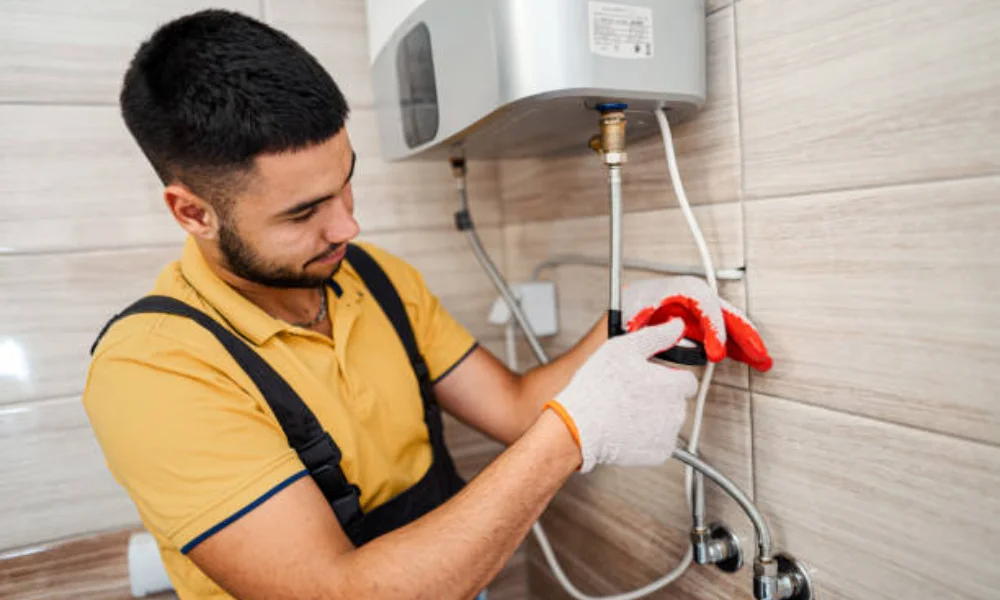
Nothing ruins a clean kitchen or bathroom faster than a foul smell from the sink drain. If you’ve found yourself wondering, “why does my sink drain smell?” you’re not alone. That unpleasant odor can make even the freshest room feel off. The good news? You can tackle the problem head-on with some simple tricks and know-how.
Why Is It Important to Empty a Water Heater Regularly?
Many households miss this basic yet important maintenance measure. Learning how to empty a water heater tank will save you money and problems in the long run.
Prevents Sediment Buildup
Minerals like calcium and magnesium sink near the bottom of the tank. This accumulation affects heating efficiency and may clog the system.
Improves Heating Efficiency
A clean tank warms the water quicker. If you empty a water heater on a regular basis, your system will not have to work overtime to provide hot water.
Extends the Life of the Water Heater
Sediment degrades interior components. Routine flushing minimizes strain and extends the life of your heater.
Reduces Energy Bills
When sediment causes the burner or element to overwork, your energy expenses go up. A clean system keeps expenses in check.
Helps Detect Early Signs of Corrosion or Leaks
Draining offers you a clear picture of the water quality. Rusty water might indicate interior corrosion; it’s best to identify it early.
Maintains Consistent Water Temperature
If your hot showers are becoming lukewarm too quickly, sediment may be the cause. A simple flush can bring back temperature consistency.
Prevents Noisy Operation
If your heater sounds like it’s boiling rocks, it most likely is—due to silt. Draining silences the hammering and popping sounds.
How to Empty Water Heater
Now, let’s go over the step-by-step method of how to empty water heaters effectively and safely.
1. Turn Off Power or Gas Supply
Electrical units should be turned off at the breaker. For gas units, put the thermostat in “pilot” mode or turn off the valve entirely.
2. Shut Off the Cold Water Valve
This obstructs more water from entering the tank while you are draining it.
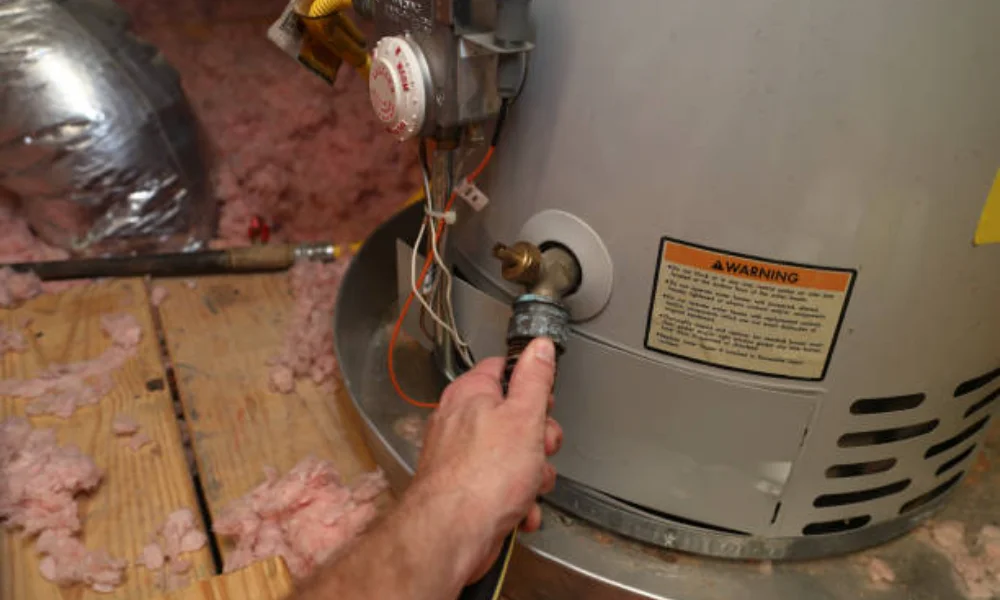
3. Connect a Hose to the Drain Valve
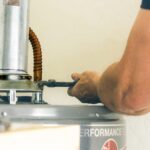
Join a garden hose to the bottom drain valve. Direct the hose to a floor drain, an outside location, or an appropriate container.
4. Open a Hot Water Faucet for Ventilation
Turn on a hot water tap inside your home to reduce pressure and let air in while the tank empties.
5. Drain the Water from the Tank
Open the drain valve and then allow the water to flow. If it’s sluggish, silt may be clogging the valve; gently release it if necessary.
6. Flush Remaining Sediment (Optional)
Once the majority of the water has been emptied, temporarily put on cold water to mix up and flush out any remaining sediment.
7. Close Valves and Refill the Tank
Close the drain valve, remove the hose, and switch on the cold water supply again. Keep the faucet open until the water runs consistently.
8. Restore Power or Gas
When the tank is full, switch the breaker or gas supply on again. Never try this with an empty tank.
Do I Need to Turn Off Gas to Drain a Water Heater?
Absolutely. Failure to do so can result in catastrophic consequences.
Risks of Not Turning Off the Gas
Overheating the Empty Tank
Without water to absorb heat, the tank may overheat and deform.
Damage to the Burner or Heating Elements
If gas or electric elements get depleted, they may burn out.
Risk of Fire or Explosion
Gas systems can ignite combustible fumes if not properly shut down.
Release of Harmful Fumes
Gas lines left on while draining might spew pollutants into your home, which is never a smart idea.
How Often Should You Drain Your Water Heater?
You may ask, how often should you drain your water heater? The answer varies.
Factors That Influence Frequency
Type of Water Heater
Tankless devices require less regular draining than storage tanks do.
Water Hardness in Your Area
Hard water contains more minerals and sediment. You’ll need to flush more frequently—perhaps every 6–12 months.
Usage and Number of Occupants
More people mean more hot water use. This raises the requirement for routine maintenance.
Outdoor or Exposed Installations
Draining is only the beginning. Finish strong with a comprehensive system inspection.
Check for Leaks or Corrosion
Only do this after making sure the tank is entirely full.
Turn Power or Gas Back On
Only do this after making sure the tank is entirely full.
Monitor Tank Refill
Keep an eye on the faucet that you opened earlier. When the water runs steadily, the tank is filled.
Test Hot Water Function
Run a hot tap for a few minutes to ensure everything is operating properly.
When You Should Call a Professional
Not every situation is appropriate for DIY. Know when to seek assistance.
Situations Where You Shouldn't DIY
You Smell Gas
Leave immediately and contact a skilled plumber.
You Have an Electric Water Heater and No Experience
Water and electricity do not mix; seek a professional.
You Notice Rust-Colored Water
You see rust-colored water, which might indicate interior deterioration.
The Drain Valve Is Leaking
You may need to replace or tighten the valve professionally.
You Hear Popping or Rumbling Sounds
This means sediment accumulation. A deep flush or examination is required.
Common Mistakes to Avoid When Draining a Water Heater
Even the most experienced DIYers make mistakes.
Draining Without Turning Off Power or Gas
This can have significant consequences and is exceedingly risky.
Forgetting to Open the Pressure Relief Valve
Not venting the tank might result in a vacuum, which slows the draining process.
Not Letting the Tank Cool
Failure to allow the tank to cool can lead to scalding. Wait at least two hours after turning off the electricity or gas.
Skipping Sediment Flushing
A partial drain will not completely eliminate the filth. If you see any silt, flush completely.
Reconnecting Parts Incorrectly
Take pictures before you unhook anything. Reconnect carefully and inspect all fittings.
Tips to Extend the Life of Your Water Heater
Do you want to prevent replacements and water heater repairs? Follow these habits.
Regular Maintenance Schedule
Create a calendar reminder to empty a water heater every 6–12 months.
Use a Water Softener if You Have Hard Water
Soft water helps to reduce silt development.
Test the Pressure Relief Valve Periodically
To guarantee good operation, lift the pressure relief valve occasionally.
Install an Expansion Tank
This helps to manage pressure and increases the life of your heater.
FAQs
Yes, as long as the hose and drain are capable of handling hot water.
It is possible, but avoid it unless the tub is clean and capable of handling silt.
Only if the sink is below tank level and large enough.
Typically, 30 to 45 minutes, depending on water pressure and sediment concentration.
Dinomite Service is Your Reliable Plumber Service for Your Water Leak Issues in Texas
Don’t take a chance if you don’t know how to empty water heater system or if you’ve had difficulty doing so in the past. We can help with corrosion, unusual sounds, and determining how frequently to empty a water heater. Dinomite Service provides dependable, safe, and competent water heater maintenance and repairs in Texas. Contact us and we’ll have your machine running like new—without the fuss!