Do I Need a Permit to Replace My Sewer Line? All the Details
A gas line leak is no small matter. Whether it’s a faint smell of rotten eggs or a hissing sound coming from behind the stove, even minor warning signs can indicate a serious issue. Many homeowners wonder how to handle such a dangerous situation. Understanding gas line leak repair is critical to keeping your home and loved ones safe.
Let’s break down what’s involved, from the replacement process itself to permit applications, inspections, and other related tasks.
What to Expect During Sewer Line Replacement
Replacing a sewer line is a significant undertaking. It involves heavy equipment, skilled labor, and proper planning. Knowing what to expect helps you understand why the city wants oversight.
Site Preparation and Excavation
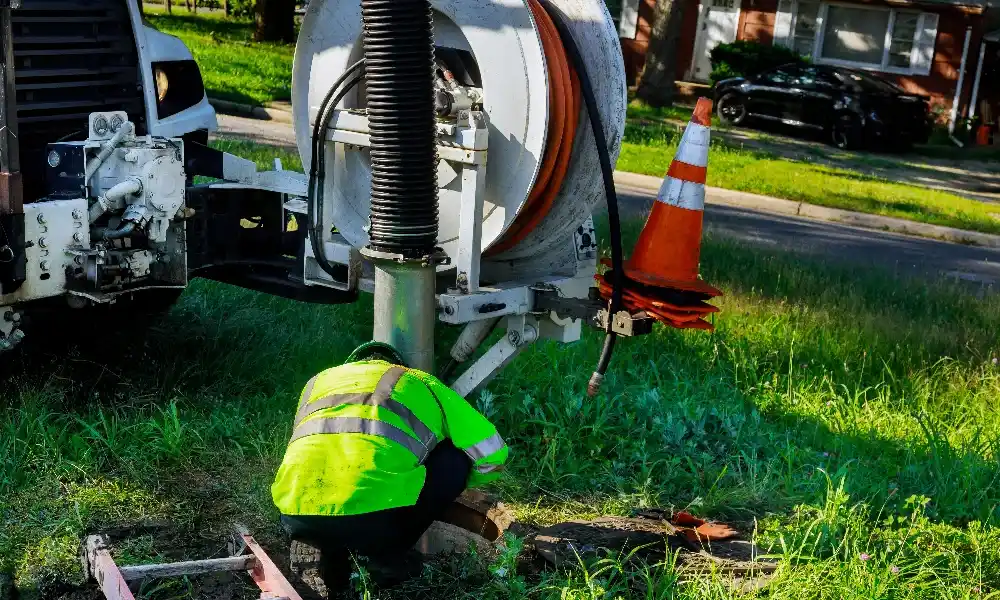
Before any digging begins, the area must be cleared of all obstructions. Utility companies are often called in to mark underground lines to avoid accidents. This step prevents damage to gas, water, or electrical lines, which could lead to more significant problems.
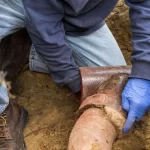
Excavation follows, either by digging a trench or using trenchless methods, such as pipe bursting or pipe lining. The process depends on the condition of the pipe, its depth, and the layout of your yard.
Installation of the New Sewer Line
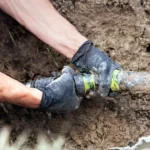
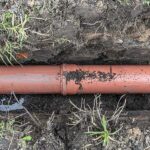
Once access is gained, the old sewer line is removed or bypassed. A new pipe—typically made of PVC, cast iron, or HDPE—is installed in accordance with local building codes. The contractor ensures that the slope and connection to the city’s main sewer line or a septic tank are properly established, depending on your specific setup.
Water flow is tested before everything is sealed up to ensure the system works correctly.
Final Cleanup and Restoration
After installation and inspection, the site is restored. This includes replacing the removed soil, fixing sidewalks or driveways that were disturbed, and repairing any landscape damage. Good contractors leave your property as close to its original condition as possible.
Do I Need a Permit to Replace My Sewer Line?
This is one of the most asked questions when it comes to sewer work. If you’re wondering, do I need a permit to replace my sewer line? The answer is almost always yes, especially if the job involves digging or tying into public systems.
What a Sewer Line Permit Is
Definition of a Sewer Line Permit
A sewer permit is an official authorization from your local government. It allows you or your licensed contractor to perform sewer work, ensuring it aligns with local plumbing codes and safety standards.
Why a Permit Is Necessary
Sewer work affects not just your home but your neighborhood’s entire water management system. The permit process ensures professionals handle the project using approved materials and installation methods. It also ensures the work is inspected and documented for future reference.
Without it, there’s no official record of the work being done—or done correctly.
What Happens If You Don't Get a Permit for Sewer Line Replacement?
Avoiding permits can backfire. Here’s what could go wrong:
Potential Fines and Penalties
Cities issue fines for unpermitted work. If inspectors discover the issue, they can issue stop-work orders and even require you to undo the project and start over, this time with a permit.
Issues with Home Insurance
Insurance companies don’t like surprises. If a sewer failure occurs and it is discovered that the line was replaced without a permit, they may refuse to cover the damage.
Impact on Property Value
If you plan to sell your home, unpermitted work is a red flag to buyers and inspectors. It could delay your sale or reduce the value of your home.
How to Apply for a Sewer Line Replacement Permit
Applying for a sewer permit is easier when you understand the steps and gather the correct information ahead of time.
Who Issues Sewer Line Permits?
Local City or County Authorities
Your local public works department, plumbing division, or building office typically handles sewer permits. Their job is to regulate underground utility work and protect public infrastructure.
Private vs. Public Sector Involvement
If your sewer system connects to a public main line, the city is involved. For homes on private septic systems, you may need a permit from the health department instead.
The Permit Application Process
Required Documentation
You’ll usually need to submit:
- A scope of work description
- A site plan or diagram
- Contractor’s license and insurance info
- Property owner details
Application Fees
Fees vary depending on location and project size. Most range from $75 to $500. Some cities add fees for inspections or multiple site visits.
How to Submit the Application
Many cities now offer online portals, though smaller municipalities may still require in-person applications or paper forms. Be prepared to wait in line or book an appointment during busy construction seasons.
How Long Does It Take to Get a Permit?
Simple projects may be approved in one or two days. More complex jobs, or those that cross public property, could take a week or more. Make sure to plan—don’t schedule work before your permit is approved.
Inspections During and After Sewer Line Replacement
Obtaining a permit also requires inspections to ensure code compliance. Don’t worry—these inspections are standard and straightforward.
Types of Inspections You Might Need
Pre-Installation Inspections
Some cities require a site visit before work begins. Inspectors verify that the dig site and materials meet local standards.
During Installation Inspections
The inspector may visit during installation to observe pipe placement, joint seals, and slope measurements. These checks prevent future blockages or leaks.
Post-Installation Inspections
This final visit occurs after the work is completed but before the trench is filled. Inspectors test the system for leaks and proper flow.
What Happens During an Inspection?
What Inspectors Look for During the Process
Inspectors check pipe materials, diameter, slope, joints, and cleanout access points. They also review connection points to the municipal system.
How Inspections Ensure Quality and Safety
A failed inspection doesn’t mean disaster—it means a chance to address an issue before it becomes a bigger problem. It’s better to catch mistakes now than pay for repairs later.
Contact Dinomite Service for Your Sewer Line Replacement Needs
To wrap it up, yes, do I need a permit to replace my sewer line is a serious and necessary question. Please don’t skip it. Whether you’re learning how to replace sewer line yourself or hiring a contractor, permits, inspections, and proper documentation protect you and your property. A sewer permit ensures your project runs smoothly, avoids legal trouble, and passes inspections with flying colors.
If you need expert help, trust Dinomite Service. They specialize in sewer line replacements, handle permits on your behalf, and ensure every detail is code-compliant. No guesswork. No headaches.
Visit Dinomite Service today to book your free sewer line replacement consultation!