When and How to Replace Water Softener at Home
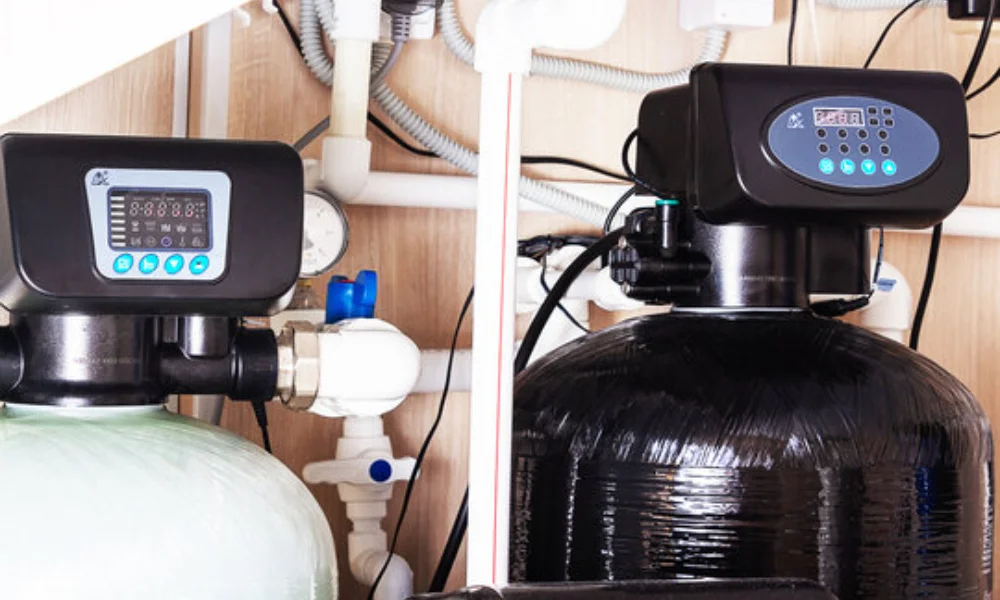
How to Replace a Water Softener
Replacing your water softener may seem daunting, but it’s doable with the appropriate tools and methods. No matter, whether you’re upgrading to a more efficient model or replacing a broken one, knowing how to replace water softener systems can be a useful DIY skill.
Tools and Supplies You Will Need
Adjustable Wrench
You’ll need this to loosen and tighten the water softener fittings. Use a high-quality wrench to avoid slipping or harming pipes.
Teflon Tape
Use this tape to seal threaded joints and avoid leaks. Wrap it clockwise around the threads before joining any components.
Bucket and Towels
Keep these handy to catch any remaining water in the lines and prevent spills when disconnecting the old softening system.
Pipe Cutter
If you need to alter your pipes for the new system, a pipe cutter provides a clean and exact cut, making installation easier.
New Water Softener Unit
Choose a model that meets your home’s requirements. It serves as the project’s focal point. Make sure it has the necessary connection fittings and an installation guide.
Water Softener Replacement Process
1. Turn Off Water and Power Supply
First, turn off the main water supply and unplug the unit, or switch off the circuit breaker. Safety comes first.
2. Drain and Disconnect the Old Softener
To separate the softener, use the bypass valve. Then, release the pressure and drain the unit with the bucket. Disconnect it from the plumbing lines.
3. Prepare the Installation Site
Clean up the area, remove any debris or rust from the old pipes, and then check that your new unit fits in the allotted space.
4. Connect the New Water Softener
Attach the new softener with the specified fittings. Apply Teflon tape to threaded connections and fasten them using an adjustable wrench.
5. Reconnect to Power and Turn On Water
Plug the equipment back in or turn the breaker on. Slowly open the water valve and let the system fill up. Check for pressure accumulation.
6. Check for Leaks and Run a Test Cycle
Inspect every joint for leakage. Once everything appears to be in order, perform a manual regeneration cycle to make sure that the system is functioning properly.
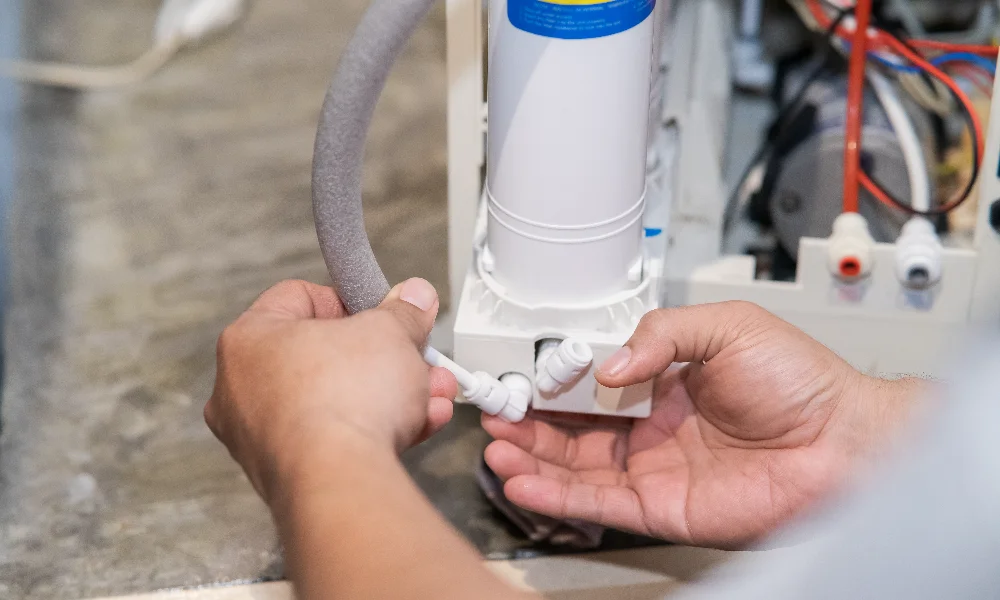
When to Replace a Water Softener
A properly maintained water softener will not last forever. Knowing when to replace water softener units allows you to avoid performance concerns and unexpected breakdowns.
Average Lifespan of a Water Softener
Most water softeners survive between ten and fifteen years. Some high-end models may go beyond that, but if your unit is approaching 15, it’s probably time to upgrade.
Factors That Affect Lifespan
Water Hardness
The harder your water, the more strain on the softener. If you live in an area with very hard water, you may need more frequent water softener replacement.
Maintenance
Regular cleaning and salt replacements can help extend the life of your system. Ignoring basic maintenance drastically reduces its lifespan.
Model Type
Some systems are better constructed than others. Higher-end units, particularly those from respected brands, frequently outlast lesser alternatives.
Signs Your Water Softener May Be Failing
Hard Water Spots and Soap Not Lathering
These are red flags. If your dishes have spots or your shampoo does not lather effectively, your softener may have failed.
Salty Water Taste or Smell
A strong brine flavor or smell in your water indicates that something is wrong. It’s a classic symptom that your system isn’t cycling correctly.
Frequent Regeneration or Running Continuously
Constant cycling wastes salt and water. If your softener does not stop regenerating, it may need to be replaced.
Increased Water or Utility Bills
Increases in utility bills can be attributed to ineffective water softening. An aging device may be consuming more power or water than necessary.
What Happens If You Don't Replace the Water Softener?
Delaying your water softener replacement can come back to bite you. Here’s what you might face:
Damage to Appliances and Plumbing
Hard water causes scaling in pipes and appliances. Over time, this causes blockages, corrosion, and costly repairs or replacements.
Poor Water Quality for Skin and Cleaning
Without soft water, soap does not clean efficiently. You will notice itching skin, dull hair, and increased detergent use.
Higher Energy and Maintenance Costs
Scale buildup lowers appliance efficiency. Your water heater and dishwasher will work harder, resulting in higher energy bills.
FAQs
It depends on how comfortable you are with basic plumbing. It is a weekend project that may be completed with the proper tools and supervision.
Yes, many homeowners successfully complete this task. Just make sure to follow the instructions properly and take the necessary safety precautions.
If your system is under 10 years old and the issue is minor, repair might be enough. But if it’s older or has recurring issues, water softener replacement is the smarter choice.
Get Expert Water Softener Help from Dinomite Service
If you don’t want to do the job yourself or aren’t aware how to replace water softener units, hire a professional. Dinomite Service specializes in seamless, hassle-free installations and quick water softener replacement.
We provide recommendations on when to replace water softener systems and how to choose the best type. Book your water softener service with Dinomite today and enjoy cleaner water tomorrow!