What Type of Pipe Is Used for Gas Lines and What’s Not Allowed?
Gas lines power essential appliances in your home, from furnaces to water heaters and stoves. Choosing the wrong pipe material can lead to leaks, code violations, and serious safety risks. That is why homeowners often ask what type of pipe is used for gas lines, and which materials are strictly prohibited. According to the U.S. Energy Information Administration, natural gas is the most commonly used energy source in U.S. homes, serving key needs such as space heating, water heating, and cooking. This widespread use makes safe gas piping a critical concern for millions of households.
In this guide, you will learn which pipe materials are approved for gas lines, which ones are not allowed, and what factors influence the right choice for your home. This knowledge helps you make informed decisions and know when to call a licensed professional.
What Type of Pipe Is Used for Gas Lines?
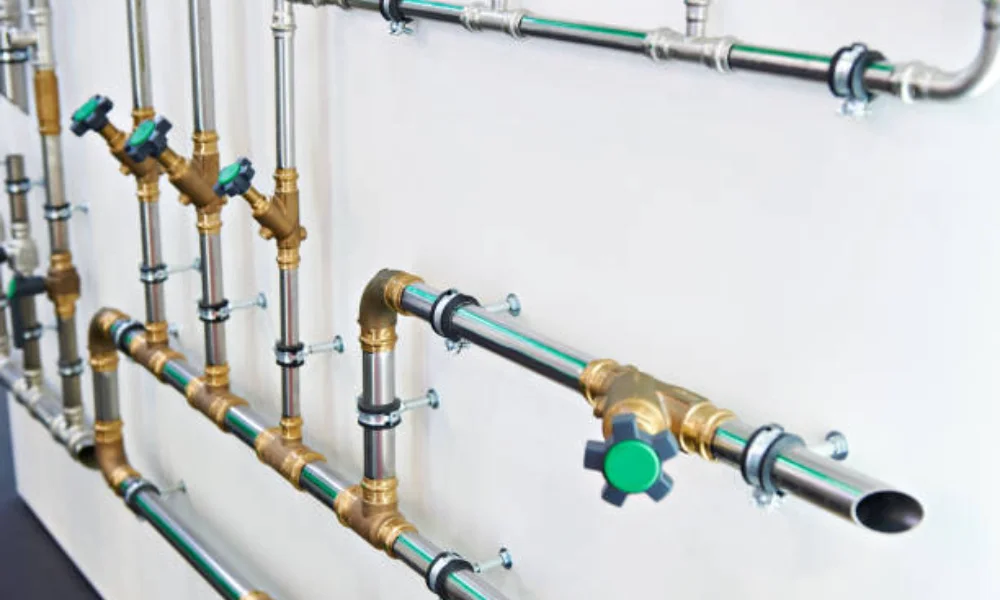
Several materials are approved for gas piping, but each serves a specific purpose. The correct choice depends on location, local codes, and usage. Common approved options include steel and black iron pipes, copper in limited areas, polyethylene for underground runs, and flexible stainless steel tubing. Each material offers different strengths related to durability, flexibility, and corrosion resistance.
Steel and Black Iron Pipes
Steel and black iron pipes are the most widely used materials for gas lines inside homes. These pipes are strong, durable, and resistant to punctures. They handle high pressure well and last for decades when properly installed. Many professionals still rely on black iron for interior gas distribution because it meets code in most regions.
Copper Pipe (Where Allowed)
Copper gas piping is allowed in some jurisdictions but restricted in others. Certain natural gas compositions can react with copper, causing internal corrosion. This risk is why many local codes ban it for gas use. Always confirm local approval before assuming copper is acceptable for the type of pipe used for gas lines in your area.
Polyethylene (PE) Pipe for Underground Use
Polyethylene pipe is typically used for underground gas lines. It resists corrosion and soil chemicals better than metal. PE pipe is lightweight and flexible, which helps reduce joint failures underground. It must never be used above ground because sunlight degrades the material.
Corrugated Stainless Steel Tubing (CSST)
CSST is a flexible stainless steel pipe used inside homes. It simplifies routing around walls and obstacles. Proper bonding and grounding are critical to reduce lightning-related risks. When installed correctly, CSST meets modern safety standards and speeds up installation.
Which Materials Cannot Be Used for Gas Lines?
Not all pipes are safe for gas service. Some materials fail under gas pressure or degrade over time. Prohibited materials include PVC and certain plastics, unapproved aluminum, water-only pipes, and mixed materials without proper fittings. Using these can cause leaks and code violations.
PVC and Certain Plastics
PVC is never allowed for gas lines. It becomes brittle and can crack under pressure or temperature changes. Gas codes prohibit PVC even if it works well for water drainage. Using it for gas creates a high leak risk.
Unapproved Aluminum Pipe in Many Jurisdictions
Aluminum piping is restricted or banned in many areas. It corrodes easily when exposed to moisture or certain gas compounds. Some older homes still have aluminum lines, but replacement is often recommended for safety.
Water-Rated Pipes Without Gas Certification
Pipes approved for water are not automatically safe for gas. Gas requires specific pressure ratings and certifications. Using water-only pipes ignores these requirements and can lead to dangerous failures.
Mixed Materials Without Proper Transition Fittings
Connecting different pipe materials without approved fittings creates weak joints. These connections may loosen or leak over time. Proper transition fittings are mandatory when switching materials.
What Goes Into Choosing the Right Gas Line Materials for a Home
Choosing gas piping is not a one-size decision. Several factors shape the final choice. These include where the pipe runs, local code rules, resistance to corrosion, ease of installation, and verified safety ratings. Each factor protects your home and appliances.
Location: Above-Ground vs. Underground
Above-ground lines often use steel or CSST. Underground lines typically require polyethylene. Using the wrong material in the wrong location shortens lifespan and violates code. Gas pipe depth also matters for underground safety.
Local Code and Permit Requirements
Local building codes decide what kind of pipe for gas line installations is legal. Some cities ban copper while others allow it. Permits and inspections ensure compliance and safety.
Durability and Corrosion Resistance
Gas piping must resist rust and chemical reactions. Steel lasts long indoors but corrodes underground. Polyethylene excels underground because it does not rust.
Flexibility and Installation Complexity
Flexible materials like CSST reduce installation time and wall damage. Rigid pipes require precise measurements and fittings. The right choice balances safety with practicality.
Safety Certification and Manufacturer Ratings
Approved pipes carry markings from recognized testing agencies. These ratings confirm pressure limits and material quality. Never rely on unmarked or uncertified piping.
FAQs
Check local building codes and inspection records. A licensed plumber can verify compliance. Approval depends on certifications and regional rules.
Exterior above-ground lines often use coated steel or CSST rated for outdoor use. Underground exterior lines require polyethylene. Material choice depends on exposure and code rules.
Copper can react with certain gas compounds. This reaction causes flaking and internal blockage. Many codes ban copper to prevent long-term safety issues.
Call Dinomite Service for Expert Gas Line Services in Springtown, TX
Understanding what type of pipe is used for gas lines helps you avoid costly mistakes and safety risks. Steel, PE, and CSST each serve specific roles, while PVC and unapproved materials remain unsafe. The right gas line pipe material always depends on location, code approval, and certified safety ratings.
If you are unsure about what type of pipe is used for natural gas lines in your home, professional guidance matters. Dinomite Service provides expert gas line inspections, repairs, and replacements in Springtown, TX. Contact our licensed team today to ensure your gas system meets code and protects your home.