Five Common Signs Your Home Needs Repiping
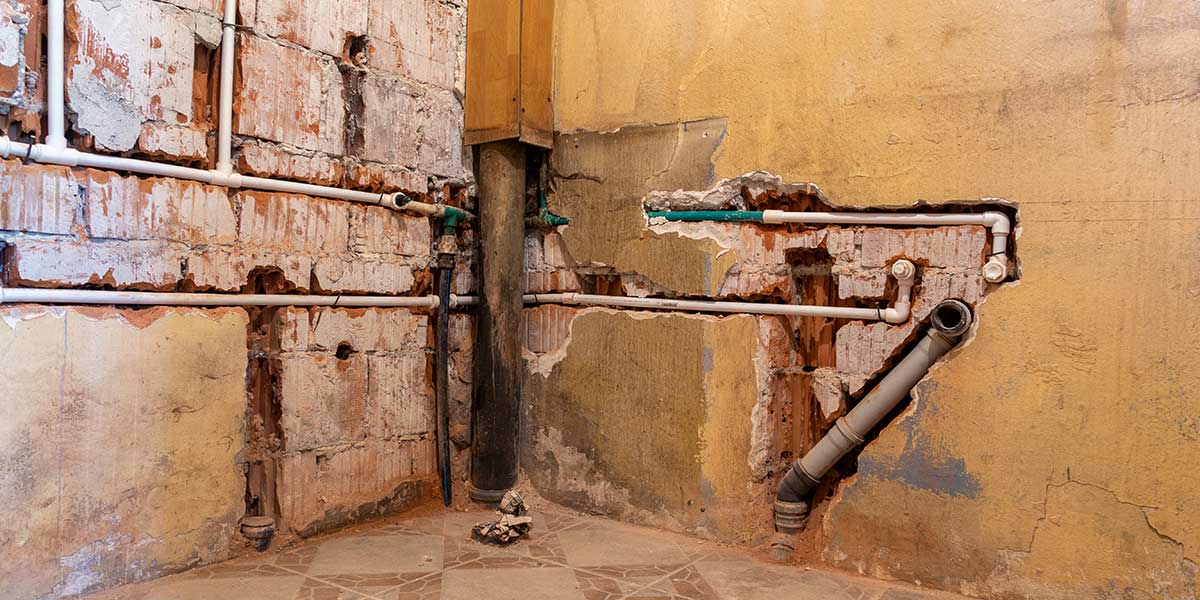
Your plumbing might be failing quietly for years before anything obvious goes wrong, and by the time you notice the signs, the damage is already done. Knowing the common signs that a home needs repiping helps you catch the problem before it becomes a plumbing emergency. In this guide, Dinomite Service will walk you through five warning signs to watch for, their causes, and when whole-home repiping is the right solution.
For local help, our team offers trusted plumbing in Springtown, TX.
1. Frequent Plumbing Leaks
One leak can be a fluke, but repeated leaks throughout the house point to something more systemic. Aging pipes become brittle and prone to pinhole leaks as they deteriorate, especially if they’re made from galvanized steel or polybutylene. If you’re calling a plumber for leaks every year or two, the pipes themselves are likely the root cause.
Patching individual leaks on pipes past their service life is a temporary fix. At some point, the cost of repeated repairs exceeds what whole-home repiping would have cost from the start.
2. Low Water Pressure
Low water pressure throughout the house, rather than at just one fixture, often signals buildup or corrosion narrowing the interior of the pipes. Older pipes can develop mineral deposits and rust along their inner walls, which restricts flow and reduces pressure at every fixture. If cleaning aerators or checking the pressure regulator doesn’t resolve the issue, the pipes deserve a closer look.
Different types of plumbing pipes corrode at different rates, though, so knowing what material is in your walls helps determine how urgently you need to act.
3. Discolored Water
Brownish-red or yellow water at the hot tap is one of the clearest common signs that a home needs repiping. That discoloration comes from rust flaking off aging steel or galvanized pipes and entering your water supply. It’s not just a cosmetic concern; rust in your water means the pipes are actively breaking down from the inside.
If discoloration clears up after a moment, the issue may be limited to your water heater or the faucet. But if it persists or appears in cold water as well, repiping is the right option to consider.
4. Frequent Drain Backups
Recurring clogs in multiple drains point to a deeper problem than a single blocked line. When older pipes corrode, they develop rough interior surfaces that catch debris more easily. Their slope may have also shifted due to ground movement over the years.
Frequent backups across multiple fixtures are worth evaluating as a whole-system issue. If snaking provides only temporary relief before the problem returns, the pipe itself may be the underlying cause.
5. Visible Corrosion on Exposed Pipes
If you can see the pipes in your basement, utility room, or under sinks, take a look at their condition. Green or blue staining on copper pipes, or orange rust on steel pipes, is a sign of advanced corrosion that almost always extends into the walls where you can’t see it. Corroded plumbing pipes that are showing visible deterioration on the exterior are usually in much worse shape internally.
Dinomite Service Helps Springtown, TX, Homeowners Know When To Repipe
Recognizing the common signs a home needs repiping early can save you from water damage and escalating repair costs down the road. At Dinomite Service, we thoroughly assess your plumbing system and give you an honest recommendation on whether a repair or a whole-home repiping is the smarter investment.
Our water line repair guide is a helpful resource if you’re dealing with main line issues as well. We serve Springtown, TX, with dependable residential plumbing services. Call Dinomite Service at (682) 244-2347 for help identifying the common signs a home needs repiping in Springtown.
FAQs
Here are quick answers to common repiping questions.
Most residential pipes last 50 to 70 years, depending on the material, though galvanized steel often shows significant deterioration in 40 years or less.
Whole-home repiping is most commonly done with copper or PEX tubing, both of which resist corrosion far better than older galvanized or polybutylene materials.
A whole-home repipe project typically takes two to four days and requires opening walls in some areas. This is all patched up after the new pipes are in place.
If you’re dealing with recurring leaks, low water pressure, rust-colored water, or visible corrosion on exposed pipes, you may need to consider repiping. A licensed plumber can evaluate the system to recommend repairs or replacement.