Can a Bad Water Heater Raise Your Electric Bill?
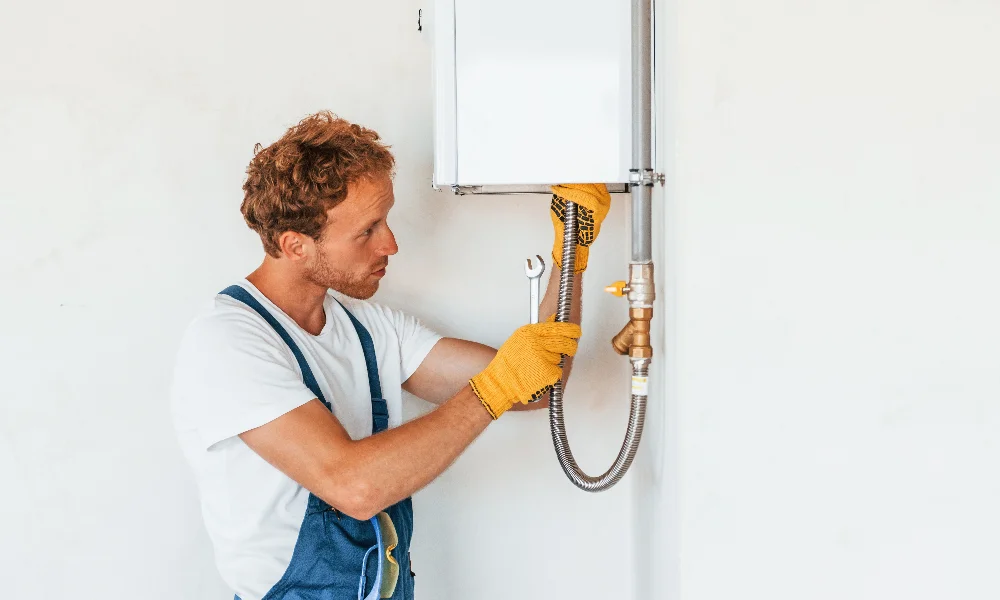
Rising electric bills often feel confusing when your habits stay the same. One hidden cause many homeowners overlook is the water heater. Energy.gov reports that water heating accounts for about 18% of a home’s energy use, making it one of the largest utility expenses.
This matters because small efficiency problems can quietly raise monthly costs. You may not notice issues until bills spike. This guide explores whether a bad water heater can raise the electric bill and why it happens. You will learn how internal problems affect power use, how to limit damage, and when expert help makes sense.
Can a Bad Water Heater Raise Your Electric Bill?
A failing water heater often works harder than needed. Extra runtime, heat loss, and faulty controls all increase energy use. The main causes include sediment buildup, struggling components, thermostat problems, and leaks. Each issue forces the unit to draw more electricity to meet demand. Understanding these points helps explain how a bad water heater can raise the electric bill in real homes.
Sediment Buildup Makes the Heater Run Longer
Minerals settle at the tank bottom over time. This layer blocks heat transfer to the water. The heater then runs longer to reach the set temperature. Longer cycles directly increase electricity use.
Heating Elements or Burners Struggle to Maintain Temperature
Worn elements heat water unevenly. Some areas stay cool while others overheat. The system keeps cycling to compensate. This repeated cycling adds unnecessary energy load.
Thermostat Malfunctions Cause Excessive Heating
A faulty thermostat may misread water temperature. It can trigger heating when the water is already hot. This leads to overheating and wasted electricity. Bills rise without added comfort.
Leaks Increase Water Heating Demand
Leaks release heated water before use. Cold water enters the tank to replace it. The heater must warm new water repeatedly. Even slow leaks increase daily energy demand.
How to Reduce the Impact of a Water Heater on the Electric Bill
Reducing energy waste starts with small adjustments. Temperature control, insulation, maintenance, and part replacement all help. In some cases, upgrading the unit makes the biggest difference. These steps lower strain on the system and reduce power use.
Lower the Thermostat Setting
Many heaters are set too high. Lowering the setting reduces heating cycles. It also limits standby heat loss. This simple change cuts energy use without comfort loss.
Insulate the Tank and Hot Water Pipes
Uninsulated tanks lose heat quickly. Pipe insulation keeps hot water warm longer. The heater runs less often as a result. Insulation improves efficiency year-round.
Flush the Tank to Remove Sediment
Sediment removal restores heat transfer efficiency. It helps the heater warm water faster. If you are unsure about the process, click here to know how to safely empty a water heater.
Repair or Replace Faulty Components
Failing thermostats and heating elements waste power. Timely repairs prevent excess cycling. Replacing worn parts often costs less than higher energy bills. Professional diagnostics ensure safe fixes.
Upgrade to a High-Efficiency Water Heater if Needed
Old units lack modern efficiency features. Newer models use less power for the same output. Upgrades reduce long-term operating costs. They also improve reliability and safety.
Other Symptoms of a Bad Water Heater
Rising bills rarely appear alone. Physical and performance issues often show first. These symptoms of a bad water heater signal internal trouble. Recognizing them early prevents major failures and high energy costs.
Inconsistent or Insufficient Hot Water
Water may turn cold quickly. Temperature swings during use are common. These are classic bad water heater signs. They often point to failing elements or sediment issues.
Strange Noises From the Tank
Popping or rumbling sounds come from sediment heating. Noise means reduced efficiency. It also increases wear on components. This is one of the overlooked symptoms of a bad water heater.
Visible Leaks or Water Around the Unit
Water near the base indicates leaks or pressure problems. Leaks increase heating demand. They also risk property damage. This issue counts among the serious bad water heater signs.
Rusty or Discolored Hot Water
Rust suggests internal corrosion. Corrosion reduces efficiency and lifespan. It can contaminate the water supply. These symptoms of a bad water heater should never be ignored.
FAQs
Most electric water heaters last eight to twelve years. Maintenance affects lifespan greatly. Older units lose efficiency over time.
Yes, efficiency drops as parts wear out. Sediment buildup increases heating time. Aging units often explain why a bad water heater raises the electric bill, which becomes a concern.
Annual inspections are recommended. Servicing removes sediment and checks controls. Regular care limits bad water heater signs and improves energy performance.
Call Dinomite Service for Professional Heater Repairs in Parker, TX
A faulty water heater can quietly drain your budget. Sediment, leaks, and worn parts all increase electricity use. Knowing whether a bad water heater can raise the electric bill helps you act early. Professional evaluation ensures safe and accurate solutions. Dinomite Service provides trusted water heater repair and maintenance in Parker, TX. Schedule an inspection today to protect your comfort and control energy costs.