Can a Homeowner Install a Gas Line? Legal and Safety Considerations
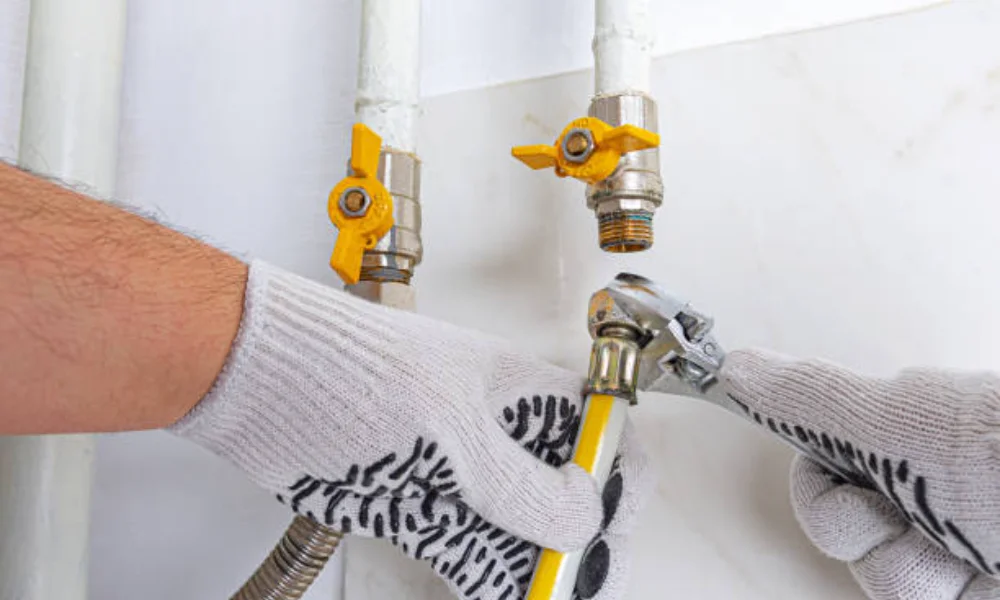
Many homeowners consider taking on projects such as installing a gas stove, heater, or outdoor grill themselves. But when it comes to gas, safety is critical; improper handling can lead to leaks, fires, or carbon monoxide poisoning. Understanding whether a homeowner can install a gas line and what it entails is essential before starting any project. In this article, you’ll learn about Texas regulations, potential dangers of DIY gas lines, and why professional installation ensures safety and compliance.
Can a Homeowner Install a Gas Line?
In most jurisdictions, including Texas, a homeowner cannot legally install a gas line without proper licensing. Gas line installation requires specialized knowledge to prevent dangerous leaks, fire hazards, and carbon monoxide risks. Professionals follow strict guidelines, obtain permits, and pass inspections to ensure safety.
Let us see why professional installation is necessary and what legal requirements are associated with it.
Why Gas Line Work Requires Professional Installation
Gas line systems must safely deliver fuel to appliances without leaks. Mistakes in pipe sizing, joint connections, or routing can create dangerous conditions. Certified professionals have the training to calculate pipe size, select appropriate materials, and perform pressure tests for safety.
Legal Requirements for Gas Line Installation in Texas
State and local codes govern gas line installation in Texas to protect homeowners. Only licensed professionals are authorized to work on natural gas or propane systems.
Permit and Inspection Requirements
Most Texas cities require a permit before any gas line work begins. Inspectors verify that the piping system meets code requirements, that connections are secure, and that safety valves function properly.
Local Plumbing and Fuel Gas Codes
Local codes, often based on the International Residential Code (IRC) or the Uniform Plumbing Code (UPC), define acceptable materials, joint types, and pressure-testing requirements. Compliance ensures the system is safe and efficient.
Texas State Licensing Through the Texas State Board of Plumbing Examiners
Texas mandates that all gas line installers hold a license from the Texas State Board of Plumbing Examiners. Licenses confirm knowledge, experience, and adherence to state regulations. Homeowners cannot legally bypass this requirement.
Dangers of Doing a Gas Line Installation Yourself
Practicing to install a gas line yourself exposes you to serious hazards. Gas is highly flammable, and mistakes are often invisible until a problem occurs. Below are the primary dangers.
Gas Leaks and Fire Hazards
Improper connections, loose fittings, or damaged pipes can allow natural gas to escape, creating a serious fire hazard. According to the National Fire Protection Association (NFPA), natural gas was involved in an estimated 4,200 U.S. home structure fires per year, many of which were caused by leaks or faulty appliances. This clearly shows the importance of hiring a licensed professional to ensure safe installation.
Carbon Monoxide Exposure Risks
Faulty or improperly vented gas lines can allow carbon monoxide (CO) to enter living areas. CO is colorless and odorless. It can cause severe illness or death with prolonged exposure. Professional gas line installers calculate proper venting, maintain adequate pressure, and verify appliance connections to prevent CO buildup. The Centers for Disease Control and Prevention (CDC) reports that carbon monoxide poisoning causes hundreds of deaths and thousands of emergency room visits annually, highlighting why trained professionals must handle gas installations.
Improper Connections or Pipe Sizing
The diameter and material of a gas line directly affect appliance performance and safety. Pipes that are too small may reduce gas pressure, causing burners or heaters to underperform. In contrast, oversized pipes can lead to dangerous overpressure in appliances. Using unapproved materials can also compromise the system’s integrity. Certified installers follow Texas fuel gas codes and manufacturer guidelines to ensure proper pipe sizing, joint types, and materials. This expertise prevents operational issues and safeguards your property.
Failed Pressure Tests or Hidden Leaks
Pressure testing is a critical step in professional gas line installation. Technicians pressurize the entire system to detect leaks that may not be visible or audible. Homeowners attempting DIY work often lack the gauges or knowledge to identify micro-leaks hidden in walls, ceilings, or underground. These undetected leaks can gradually accumulate gas, creating a silent hazard. Licensed professionals not only perform accurate pressure tests but also document results for code compliance and future safety assurance.
Property Damage and Insurance Issues
Attempting a DIY gas line installation can have serious financial consequences. Many homeowner insurance policies void coverage if damages result from unlicensed or improper gas work. This includes fires, water damage from fire suppression, or structural damage due to explosions. Licensed installations maintain insurance validity, reduce liability, and provide peace of mind, while warranties and certifications add an extra layer of protection for your home.
Who Can Legally Install a Gas Line
Only specific professionals can legally install a gas line in Texas. Attempting DIY installation is illegal and unsafe.
Licensed Plumbers or Gas Fitters
These professionals hold state licenses and complete training in gas piping. They know how to size, route, and secure pipes in accordance with code.
Certified HVAC or Mechanical Contractors
Some HVAC or mechanical contractors are certified to install gas piping for appliances such as furnaces and water heaters. Their expertise ensures safe integration with existing systems.
Requirements for Residential vs Commercial Work
Residential and commercial gas work differ in complexity. Licensed professionals follow code requirements specific to each type, ensuring safety and compliance.
Why Professional Training and Certification Matter
Proper training ensures installers understand gas behavior, detect hazards, and meet code requirements. Certification provides regulatory oversight and homeowner protection.
How Gas Lines Are Professionally Installed to Meet Texas Code
Installing a gas line in a home requires more than simply connecting pipes. Professionals take a comprehensive approach that balances safety, efficiency, and compliance with local regulations. Every step is planned to minimize risks, including leaks, fire hazards, and improper appliance performance. Beyond following code requirements, trained installers consider factors like the home’s layout, gas demand, and future expansion needs. This careful planning ensures a reliable system that delivers consistent gas flow to all appliances while protecting your home and family.
Planning the Route and Calculating Proper Pipe Size
Professional installers carefully plan the most efficient and safe route from the gas meter to each appliance. This process is not just about convenience; it ensures consistent gas pressure throughout the system and avoids potential hazards caused by bends, obstructions, or unnecessary pipe length. Technicians also calculate the correct pipe diameter based on the total gas demand, distance, and type of appliances being serviced. Proper sizing prevents under- or over-pressurization, which can affect appliance performance and safety. This level of planning reflects industry standards and regulatory requirements, ensuring long-term reliability.
Selecting Approved Materials and Fittings
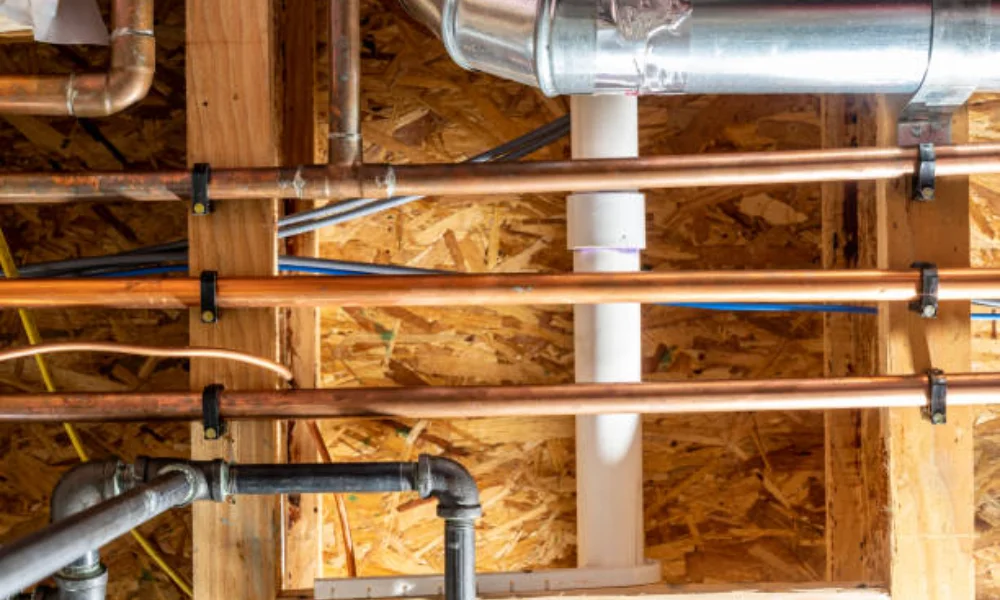
Using approved materials is critical for safety and compliance. Professionals rely on code-approved options such as black iron pipe or corrugated stainless steel tubing (CSST), along with certified fittings, to ensure leak-free connections and system integrity. Materials are selected based on durability, compatibility with gas type, and regulatory compliance. For detailed guidance on materials, you can review what type of pipe is used for gas lines here. This step demonstrates adherence to recognized industry standards and protects your home from long-term safety risks.
Pressure Testing the System for Leaks
Pressure testing is a crucial safety procedure performed by licensed installers. The system is pressurized to verify that all connections, joints, and valves are secure. If the pressure drops or a leak is detected, technicians locate and correct the issue immediately. This step prevents dangerous gas buildup, ensures compliance with local regulations, and provides documented proof that the system is safe before it is operational. Pressure testing is an industry-standard practice that greatly reduces risk to homeowners.
Securing Permits and Scheduling Inspections
Licensed professionals obtain all required permits and coordinate inspections with local authorities. Permits are not just a bureaucratic step; they confirm that the installation meets city and state codes and protects homeowners from legal and insurance complications. Inspections validate that the system was installed correctly, using approved materials, proper routing, and verified safety practices. This process also ensures that any future modifications or additions to your system remain compliant.
Final Appliance Connection and Safety Checks
Once the system passes inspection, appliances are carefully connected. Professionals perform thorough safety checks to confirm proper burner operation, shutoff valve functionality, and overall system integrity. These final steps ensure appliances operate efficiently and safely, giving homeowners confidence in their gas system’s reliability. This attention to detail reflects the expertise and accountability expected from certified gas line installers.
Benefits of Hiring a Professional Gas Line Installer
Hiring a licensed professional ensures your gas system is safe, reliable, and code-compliant. Experts bring technical knowledge to prevent risks, handle regulatory requirements, and provide peace of mind. Professional installation protects your home, family, and appliances while maintaining insurance coverage and long-term system performance.
Code-Compliant Installation
Licensed professionals ensure every connection and material meets local and state codes. This prevents legal violations and ensures your system is installed in accordance with recognized safety standards. Compliance also reduces the risk of failed inspections and potential fines.
Safer and More Reliable Operation
Certified installers apply industry best practices to minimize risks of gas leaks, fires, and carbon monoxide exposure, keeping your home and family protected. Their experience ensures appliances operate efficiently and safely over the long term.
Proper Testing and Documentation
Professionals perform thorough inspections and pressure tests, then document all results. This provides proof of a safe, compliant installation for your records and future needs. Detailed documentation also helps if you sell your home or need insurance claims.
Warranty and Insurance Protection
Licensed installations often include workmanship warranties and maintain homeowner insurance coverage, offering financial protection if any issues arise. This guarantees peace of mind, knowing qualified experts handle repairs or failures.
Schedule Professional Gas Line Installation With Dinomite Service in North Texas
A homeowner cannot install a gas line safely or legally in Texas without proper licensing. Attempting DIY installation risks gas leaks, fire, carbon monoxide exposure, and insurance problems. Licensed plumbers, gas fitters, and certified contractors are trained to size pipes, select materials, pressure test, and obtain permits.
For homeowners in North Texas, professional installation ensures safety and code compliance. Dinomite Service specializes in residential and commercial gas piping installations, providing expert advice and certified installation. Schedule your service now!