Can Tree Roots Destroy Your Sewer Line?

You flush the toilet, and the water drains slowly. A simple clog seems likely, but the real problem may be growing beneath your lawn. Before you schedule sewer line repair in Springtown, TX, learn how trees can damage buried pipes.
Dinomite Service answers “Can tree roots destroy your sewer line?” and explains how to spot trouble early.
How Tree Roots Enter and Damage Sewer Lines
Roots don’t drill through healthy pipes. They follow moisture and nutrients, which escape through tiny cracks and loose joints. Once a root finds an opening, it slips inside and keeps growing.
Tree root intrusion worsens as roots thicken and branch inside the pipe. The growing root mass traps waste, slows wastewater flow, and creates stubborn blockages.
Older clay and cast iron lines are more vulnerable because their joints can loosen and the materials can deteriorate over time, resulting in cracked sewer pipes.
The answer to “Can tree roots destroy a sewer line?” is yes, but roots worsen existing defects rather than damage intact pipes. As they grow, roots can widen openings and cause serious sewer line damage or collapse.
Warning Signs and Professional Diagnosis
Watch for these warning signs:
- Yard depressions: Sunken soil above the sewer line can indicate a damaged or collapsed pipe.
- Sewage odors: A rotten-egg smell outdoors or near drains suggests a leaking sewer line.
- Water backups: Flushing a toilet makes water rise in a nearby tub or shower.
- Gurgling fixtures: Toilets and drains bubble as trapped air escapes.
- Unusually green patches: Lush grass above the pipe can mean wastewater is feeding the lawn.
Problems in several fixtures can indicate sewer line blockages rather than a localized clog. Comparing your symptoms with the signs of a clogged sewer drain can help you recognize a possible main-line blockage.
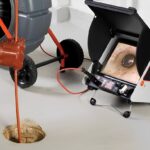
A camera-based sewer line inspection gives the clearest answer. A plumber feeds a waterproof camera into the pipe to reveal root entry and structural damage. This locates the problem without exploratory digging.
Removing Roots and Repairing the Sewer Line
The right fix depends on how far the problem has spread.
Clearing Roots From the Pipe
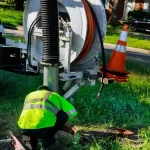
Common tree root removal techniques include mechanical cutting, which uses a rotating blade to shred roots, and hydro jetting, which scours pipe walls with high-pressure water. Neither repairs the pipe, so roots often return through the same openings.
When Repairs or Replacement Become Necessary
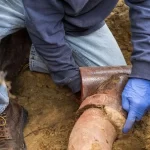
If you’re asking, “Will tree roots destroy my sewer line if I wait?” the urgency depends on how much structural damage already exists. Minor cracks may qualify for pipe lining, which seals the interior with resin. Isolated problems call for targeted repairs, while a collapsed pipe needs replacement.
Reducing the Risk of Future Root Intrusion
Homeowners can take several practical precautions:
- Routine inspections: Annual or biennial camera checks catch new growth early.
- Prompt pipe repairs: Sealing small cracks removes openings roots can exploit.
- Careful planning: Consider tree growth and pipe location before planting.
Small steps like these protect your yard and your plumbing.
Keep Your Pipes Flowing With Dinomite Service
Small openings and thirsty trees can cause serious problems if left unaddressed. Our team inspects and repairs pipes damaged by roots. For additional guidance, read our article on choosing a sewer line inspection service.
With more than 30 years of plumbing experience and a five-star reputation, we give you real peace of mind. If you’re still wondering whether tree roots are wrecking your sewer line, call 682-412-1204. Dinomite Service can help protect your pipes in Springtown, TX, and throughout Parker County.
Frequently Asked Questions
Here are quick answers to common questions about roots and sewer lines.
Homeowners’ insurance can sometimes cover tree root damage to a sewer line, but coverage varies by policy and depends on how and where the damage occurred. Ask your agent before repairs begin to avoid surprises later on.
You are usually responsible for the private sewer lateral running from your house toward the street. The city typically takes over at the public main. Confirm the exact boundary with your local utility.
Not always. Repairing the pipe may resolve the problem without removing the tree.
There is no single safe distance, because spacing depends on the tree species, root spread, and pipe location. Check local planting guidance for your property.