Do I Need a Water Heater Expansion Tank in My Home?
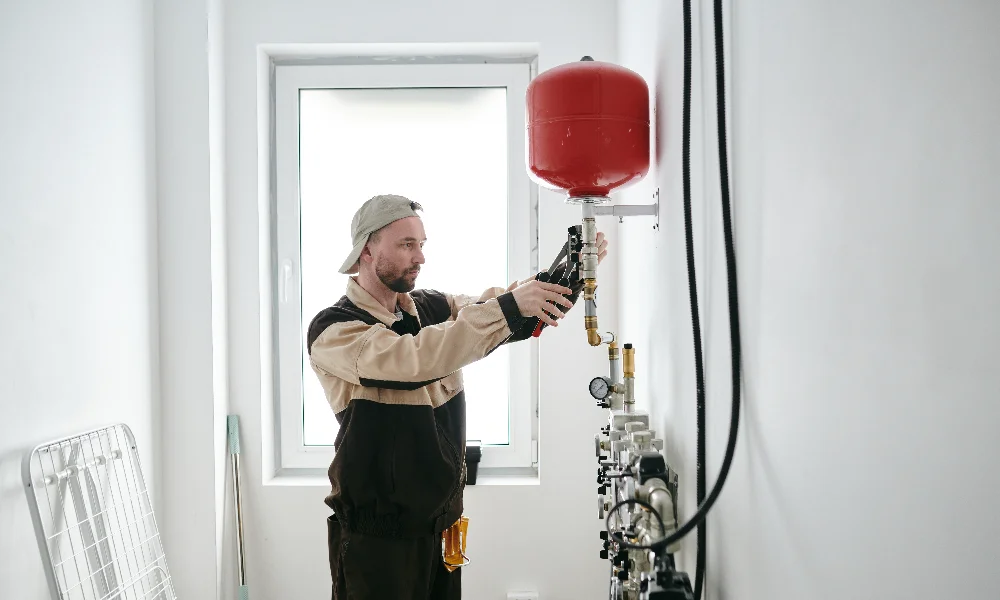
Upgrading your water heater or fixing pressure issues at home can raise an important question about the need for a water heater expansion tank. You might notice leaks, fluctuating pressure, or unusual valve discharge and wonder what is causing it. While this small device often goes unnoticed, it plays a vital role in keeping your plumbing system safe. In this guide, you will clearly understand when it is required, how it works, and how it protects your home from costly damage.
Do I Need a Water Heater Expansion Tank?
The need for a water heater expansion tank depends on how your plumbing system handles pressure during normal water heating. As water heats and expands, pressure increases within the system, which must be managed to avoid strain on pipes and components. If not controlled, this pressure can affect performance, cause minor leaks, or trigger safety valves. This becomes more noticeable in systems with restricted water flow or higher baseline pressure levels.
When an Expansion Tank Is Required
Closed plumbing system (with backflow preventer, check valve, or PRV)
A closed system prevents water from flowing back into the main supply. This design traps expanding water inside your home’s plumbing. As a result, pressure builds up quickly. An expansion tank provides space for that extra volume, reducing stress on pipes and fixtures.
Local plumbing codes require expansion control.
Many areas now require expansion tanks under updated plumbing codes. These regulations aim to prevent pressure-related damage and improve system safety. If your local code mandates it, installing one is not optional.
Water heater replacement or new installation under updated codes
High water pressure conditions in the home
If your home already has high pressure, heating water can push it beyond safe limits. This can damage appliances, pipes, and valves. An expansion tank helps stabilize pressure and keeps it within a safe range.
Frequent discharge from the T&P relief valve
The temperature as well as the pressure relief valve is a safety device. If it releases water often, it signals excess pressure. This is a strong indication that your system needs expansion control.
Recurring leaks or pressure-related plumbing issues
Leaks around fittings or appliances often point to pressure problems. Over time, this stress weakens connections. An expansion tank reduces this pressure and helps prevent further damage.
Fluctuating water pressure
If your water pressure changes when using hot water, expansion may be the cause. These fluctuations can affect comfort and system performance. A tank helps maintain consistent pressure throughout your home.
What Does an Expansion Tank Do on a Water Heater?
Understanding what an expansion tank does on a water heater helps you see how your plumbing system manages internal pressure during daily use. As water heats, pressure changes occur within a confined space, which can affect system stability if not properly balanced. These pressure shifts can affect performance and lead to inconsistent operation over time. Managing these changes is important for maintaining steady water flow, protecting system integrity, and avoiding long-term plumbing issues.
Prevents excess pressure buildup in the system
Water expands when heated, and in a closed system, this added volume increases internal pressure quickly. If not controlled, it can exceed safe operating limits set by plumbing standards. A properly sized and calibrated expansion tank helps keep pressure within recommended ranges, which protects the entire system from stress-related damage.
Reduces stress on pipes and plumbing connections
Repeated pressure fluctuations place strain on pipe joints, seals, and fittings. Over time, this can lead to small cracks, loose connections, or hidden leaks. By maintaining stable pressure, the system operates under safer conditions, which aligns with long-term plumbing reliability and reduces the risk of unexpected failures.
Protects the water heater from premature wear
Excess pressure forces internal components like valves and seals to work harder than designed. This added stress accelerates wear and can reduce the unit’s service life. Maintaining balanced pressure supports efficient operation and helps the system perform within manufacturer-recommended conditions.
Prevents pressure relief valve discharge and leaks
The relief valve is designed to activate only under unsafe pressure conditions. Frequent discharge indicates that pressure levels are consistently exceeding safe limits. Controlling these fluctuations helps prevent unnecessary valve activation, reduces water waste, and avoids moisture-related damage around the unit.
Where Should a Water Heater Expansion Tank Be Installed?
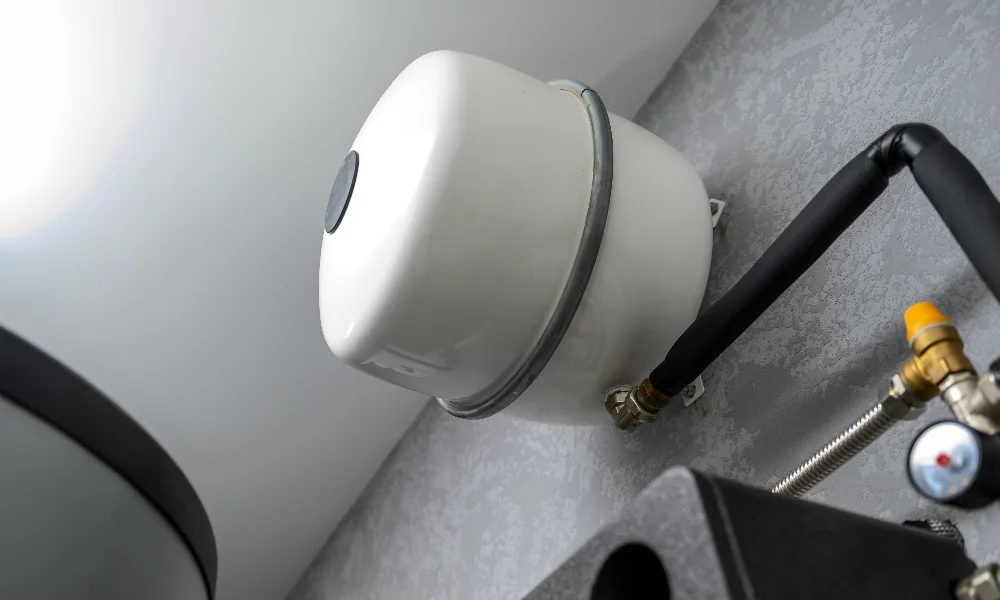
Proper placement is just as important as installation itself. The tank must connect where it can effectively absorb pressure changes. This usually means placing it close to the water heater and on the correct supply line. Incorrect placement can alleviate its effectiveness and lead to ongoing issues.
Above the water heater
Installing the tank above the heater is acceptable in certain configurations, but it must be properly supported to handle its filled weight. A licensed plumber ensures secure mounting and correct orientation to prevent stress on fittings. Improper installation can lead to joint failure or long-term strain on the piping system.
On the cold water supply line
Industry standards recommend installing the tank on the cold water supply line near the heater. This placement allows it to respond immediately to pressure changes as water enters the system. Professionals also check pressure levels and pre-charge settings to ensure the tank functions correctly and meets plumbing code requirements.
FAQs
Choosing the right tank depends on your water heater size and home pressure levels. You also need to consider whether your system is closed. A licensed professional can measure pressure and recommend the correct tank size and type.
A 2-gallon expansion tank is commonly used for a 50-gallon heater. However, this depends on pressure levels and system design. Higher-pressure systems may require a larger tank for proper performance.
There is no direct replacement that performs the same function. Pressure-reducing valves help control incoming pressure but do not absorb expansion. This is why understanding what an expansion tank does on a water heater remains important for long-term system protection.
Call Dinomite Service for Water Heater Services in Texas
The need for a water heater expansion tank often becomes clear when you face pressure issues, leaks, or code requirements. It protects your plumbing, extends your water heater’s life, and keeps your system running safely. Ignoring it can lead to costly repairs over time.
If you notice rising energy costs along with pressure issues, it may point to deeper system problems. You can explore this in detail here: https://dinomiteservices.com/can-a-bad-water-heater-raise-electric-bill/
For expert guidance, trust Dinomite Service. Our team understands real plumbing challenges and provides reliable solutions tailored to your home. Schedule an inspection today and ensure your water heater system is safe, efficient, and built to last.