Does Bar Soap Clog Drains? Causes, Signs, and Fixes
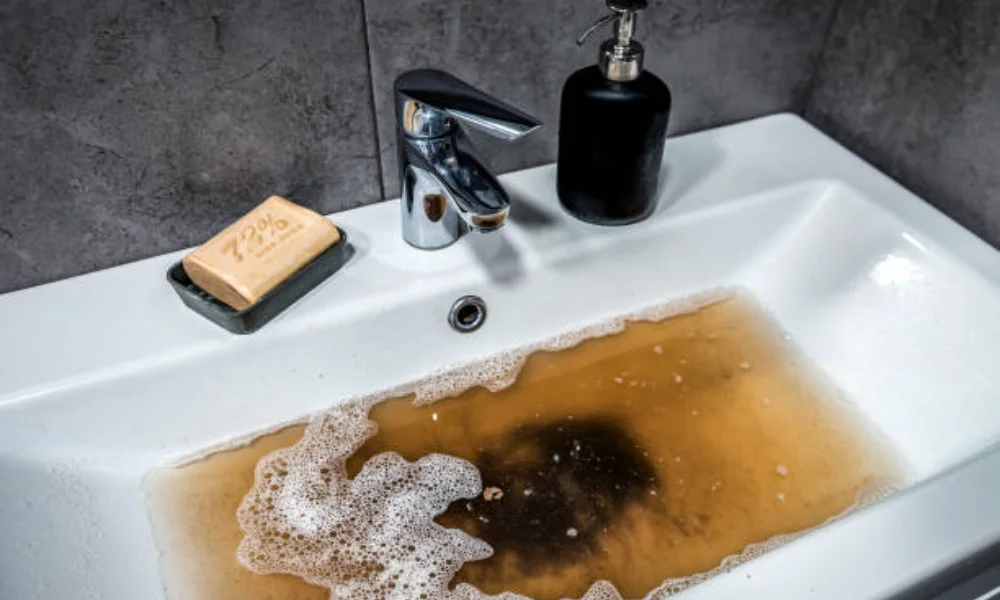
You step into the shower expecting smooth drainage, but the water starts pooling around your feet. If this sounds familiar, your daily routine might be the reason. Over time, bar soap clogs drains more often than people realize, especially when residue builds up inside pipes. These clogs do not appear overnight, but they get worse if ignored. Here you will understand what’s happening inside your drains, learn to spot early warning signs, and discover p ractical ways to fix the issue and keep it from coming back.
Does Bar Soap Clog Drains?
Soap is meant to clean, but it does not always leave the plumbing system clean. In many households, bar soap interacts with water minerals and organic debris, which leads to buildup inside pipes. This deposition can restrict water flow over time and create repeated blockages. In many cases, bar soap clogging the drain starts as a thin residue that gradually thickens and traps more waste. This is how everyday washing routines slowly contribute to drainage problems without being noticed immediately. Eventually, reduced flow and unpleasant odors become more frequent signs.
Why Bar Soap Can Lead to Drain Buildup
Bar soap does not fully dissolve in water, especially in cooler conditions. Instead, it leaves behind fatty residues that cling to pipe walls. Moreover, this residue becomes sticky over time and traps other materials passing through the drain.
- Soap scum buildup on pipe walls
Soap reacts with minerals in water and forms a white, sticky layer called soap scum. This layer coats pipe interiors and reduces water flow capacity. Over time, it becomes harder for water to pass smoothly through the system.
- Hard water mineral interaction
According to the U.S. Geological Survey (USGS), hard water contains high levels of calcium as well as magnesium, which react with soap to form insoluble deposits. These deposits increase buildup and make drainage less efficient.
- Hair and debris sticking to the soap residue
Soap residue acts like glue inside pipes. Hair, dust, and skin particles stick to it easily and form thicker clogs. This is how small waste particles turn into large blockages.
- Narrow or older drain pipes
Older plumbing systems often have narrower pipes with rough inner surfaces. These conditions make it easier for residue to accumulate and harder for water to flush it away effectively.
Signs Your Drain May Be Clogged by Bar Soap
Drain issues caused by soap buildup usually develop slowly. However, there are clear warning signs that should not be ignored.
- Slow-draining sink or shower
Water takes longer to disappear after use. This happens when the internal pipe diameter is reduced by buildup. Flow restriction increases over time if not addressed.
- White or chalky residue around fixtures
Soap minerals often settle around drain openings and faucets. This residue indicates ongoing chemical reactions between soap and hard water.
- Recurring bathroom drain clogs
Frequent blockages suggest deeper buildup inside pipes. This is often linked to bar soap clogging the drain patterns that repeat even after basic cleaning.
- Foul odors from bathroom drains
Trapped organic matter begins to decompose inside the clog. This creates unpleasant smells that rise from the drain opening.
How To Fix a Drain Clogged by Bar Soap
Fixing a soap-related clog means dealing with more than just a visible blockage. Over time, soap residue hardens along pipe walls and narrows the passage for water flow. This buildup often sits deeper inside the plumbing system, where regular rinsing cannot reach. As a result, even if water starts draining again, the underlying restriction may still remain. A proper approach focuses on breaking down this stubborn layer, restoring full pipe diameter, and ensuring the drain stays clear instead of temporarily improving.
1. Flush with hot water and mild cleaning solutions
Hot water helps soften soap deposits inside pipes. Mild cleaners can help break down grease-like buildup without damaging plumbing materials. This method works best for early-stage clogs.
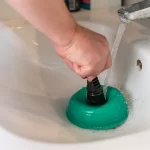
2. Use a plunger for minor blockages
A plunger creates pressure changes that help dislodge soft soap buildup. However, it may not fully remove hardened deposits deep in the pipe system.
3. Manually remove debris from the drain
Removing visible hair and residue from the drain opening reduces pressure on the clog. This step helps restore partial flow and prevents worsening blockage.
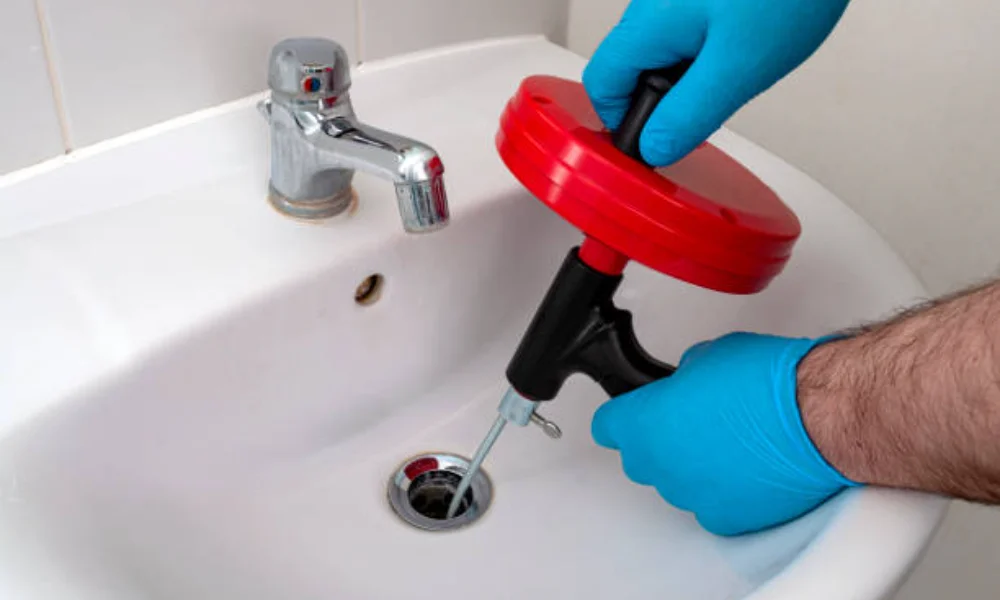
4. Use a drain snake for soap and hair buildup
A drain snake reaches deeper sections of the pipe. It breaks apart compacted material that cannot be removed with surface methods. This is often necessary in moderate clogs. Click here to learn about safe and effective methods to prevent recurring issues if your clog involves heavy hair buildup along with soap residue.
5. Call a professional for deep cleaning
Persistent blockages often require specialized equipment. Professionals use tools that clear buildup without damaging pipe interiors. This ensures long-term drainage performance.
What Do Plumbers Recommend to Prevent Soap Clogs?
Preventing soap buildup is easier than dealing with a blocked drain later. Over time, even small amounts of residue can stick to pipe walls and slowly reduce water flow. Plumbers often see that bar soap clogging the drain develops gradually, especially in homes with hard water or frequent use. With the right habits and a few smart choices, you can limit how much residue forms inside your pipes and keep your drainage system working efficiently for longer. Consistent care also reduces the chances of hidden buildup turning into repeated or stubborn clogs.
- Switch to liquid soap or low-residue products
Plumbers often recommend liquid or synthetic soaps because they dissolve more completely in water. Unlike traditional bar soaps, they do not react as heavily with minerals, which reduces the formation of sticky residue inside pipes. This small change can significantly lower the risk of long-term buildup, especially in homes with hard water.
- Install drain screens to catch hair
Hair is one of the main materials that binds with soap residue and forms clogs. A simple drain screen acts as a first line of defense by stopping debris before it enters the plumbing system. From a maintenance standpoint, this reduces the load on your pipes and prevents layered blockages that are harder to remove later.
- Regularly flush drains with hot water
Running hot water through your drains on a consistent basis helps soften and move early soap deposits before they harden. Plumbing professionals often suggest this as a preventive habit because it supports normal flow conditions and limits residue from sticking to pipe walls over time.
- Schedule periodic professional drain cleaning
Even with good habits, some buildup can still occur in deeper sections of the plumbing. Professional drain cleaning uses specialized tools to clear residue safely without damaging pipes. Routine service not only removes hidden buildup but also allows early detection of potential issues, which helps avoid costly repairs and unexpected drainage failures.
FAQs
Soaps with low-fat content and water-soluble formulas are less likely to create buildup. Liquid soaps and specially formulated synthetic cleansers dissolve more completely and reduce residue formation inside pipes.
Most drain clogs come from a combination of hair, grease, and soap residue. In bathroom drains, soap often acts as the binding agent that holds debris together and forms blockages.
Call Dinomite Service for Professional Drain Cleaning in Texas
Drain issues caused by soap buildup can worsen if ignored. What starts as slow drainage can turn into a complete blockage over time. Understanding how bar soap clogs the drain helps you act early and avoid costly repairs.
If you are dealing with recurring clogs or slow drains, professional cleaning can restore proper flow and prevent future buildup. For safe and effective drain solutions, contact Dinomite Services for expert inspection and cleaning support tailored to your plumbing system. We are just a call away!