Can I Get Emergency Plumbing Service and be Billed?
- Home
- Can I Get Emergency Plumbing Service and be Billed?
Dinomite Service

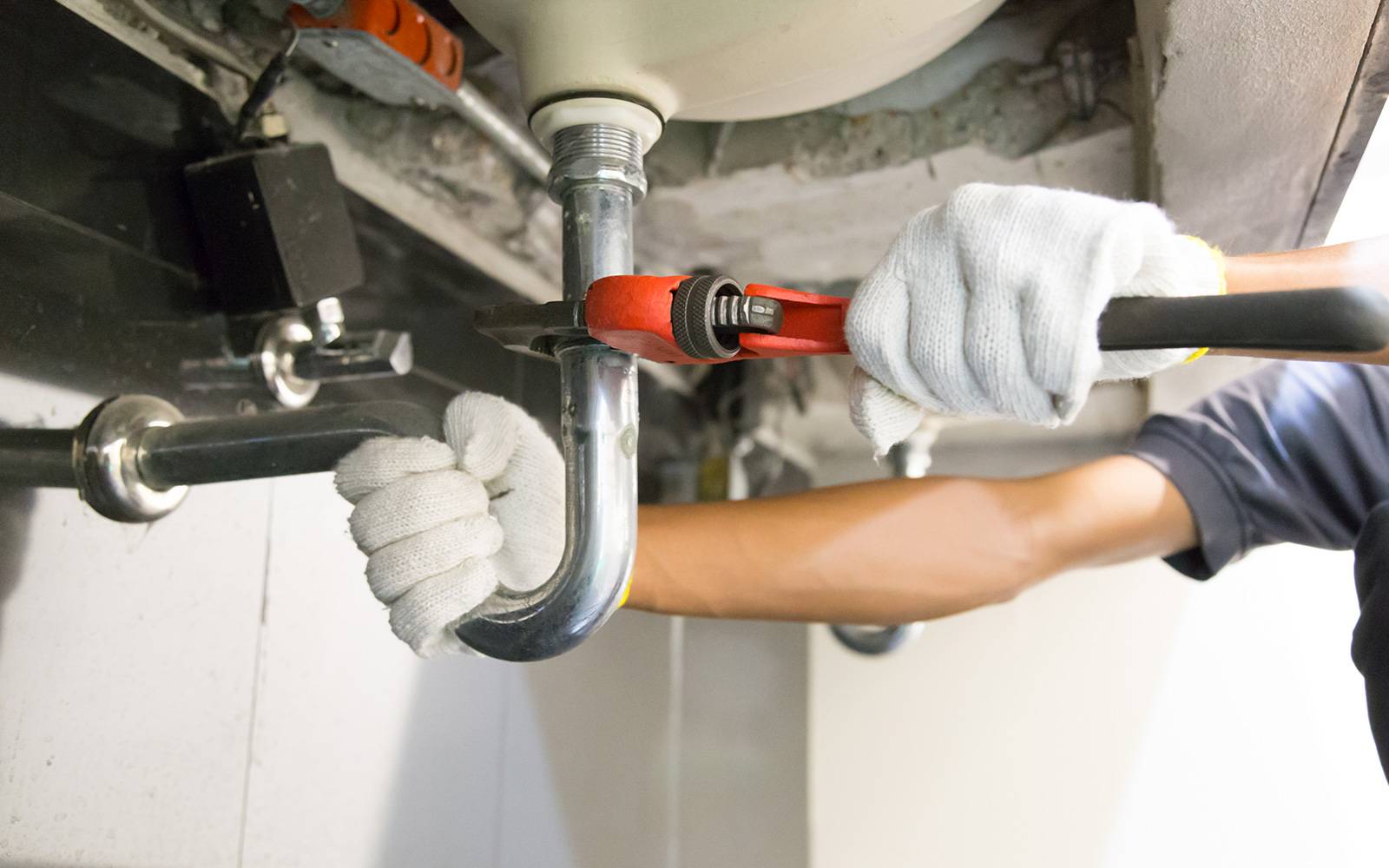
When a plumbing emergency hits, knowing how to handle it quickly can make a big difference. Here’s a straightforward look at what qualifies as a plumbing emergency, how to tell if you need immediate help, and what to expect when it comes to costs.
What’s Considered a Plumbing Emergency?
Plumbing emergencies can arise suddenly and often require immediate intervention to prevent significant damage. Here’s a comprehensive look at common plumbing emergencies and why they need urgent attention:
- Sudden Water Leaks: Burst pipes or leaks can cause significant water damage to floors, walls, and belongings. Even small leaks can lead to mold and structural problems if not fixed quickly.
- Blocked Sewer Lines: Severe blockages can cause backups and foul odors, posing health risks and contamination issues. Immediate action is needed to clear the blockage and prevent damage.
- Loss of Water Supply: A sudden stop in water flow could signal issues with your supply system or hidden leaks, disrupting daily life and indicating underlying problems.
- Water Heater Problems: Unusual noises, leaks, or inconsistent heating from your water heater require prompt repairs to avoid costly damage and ensure proper functioning.
- Frozen Pipes: In cold weather, frozen pipes can burst and cause flooding. Thawing and repairing them quickly can prevent significant water damage.
- Gas Leaks: Gas leaks are highly dangerous and require immediate evacuation and professional help to prevent explosions, fires, and health risks.
Understanding these common emergencies helps you respond effectively and prevent further damage. If you encounter any of these issues, seeking prompt professional assistance is essential to address the problem safely and efficiently.

When To Call A Professional Plumber for Emergency
Discover the key signs, potential risks, and essential steps to take in a crisis. Learn about signs of plumbing emergency and when to call a professional assistance. Read More About What Counts as a Plumbing Emergency.
How to Tell if You’re Dealing with a Routine or Urgent Plumbing Issue
Understanding the distinction between routine and urgent plumbing issues helps you respond appropriately and prevent minor problems from escalating into major emergencies.
Not every plumbing issue requires emergency help. Here’s how to differentiate:
- Routine Problems include things like a dripping faucet, slow drains, or minor leaks. These can usually wait for a regular maintenance appointment.
- Urgent Problems such as burst pipes, serious clogs, or gas leaks need immediate action to avoid serious damage or safety risks.
By recognizing the signs of each type of issue and taking appropriate measures, you can maintain your plumbing system effectively and avoid costly repairs. If you’re unsure whether your problem is routine or urgent, it’s always best to consult with a professional plumber to get expert advice and timely assistance.
What To Do During Plumbing Emergency
Plumbing emergencies can be stressful and overwhelming, but knowing how to handle them can minimize damage and help you manage the situation effectively. Here’s a step-by-step guide on what to do during a plumbing emergency:
- Shut Off the Water Supply – Locate and turn off the main water shut-off valve to stop the flow of water. If the issue is with a specific fixture, turn off its individual valve to contain the problem.
- Contain the Leak – Use Towels and Buckets. Place towels around the area and use buckets to catch dripping water. If water is near electrical outlets or appliances, turn off the power at the main breaker to avoid electrical hazards.
- Assess and Document – Determine the source of the issue (burst pipe, clog, etc.) to inform the plumber. Take photos or videos of the damage for insurance purposes.
- Contact a Professional – Call a licensed emergency plumber and explain the situation clearly. Give the plumber information on the problem and any actions you’ve taken.
- Schedule a Follow Up Repairs – Arrange for necessary repairs once the immediate issue is addressed. Check that the repairs are done properly and keep records of the work.
- Regular Maintenance – Schedule routine checks to catch potential problems early.
Taking quick action during plumbing emergencies is necessary to prevent further damage and complications. By promptly addressing leaks, blockages, or other issues, you can limit water damage and protect your property. Acting fast helps prevent mold growth and related health risks, saves on repair costs, and keeps your family safe.
Billing Practices in Emergency Plumbing
Knowing how emergency plumbing services will be billed can help you avoid unexpected expenses. Here’s a breakdown to keep you informed:
- Upfront Estimates: Many emergency plumbers offer upfront cost estimates before initiating any work. This transparency allows you to estimate the financial commitment before giving the green light for repairs.
- Emergency Service Agreements: Some plumbing services offer agreements or plans specifically tailored for emergencies. These agreements may include reduced service fees, priority scheduling, and other perks, offering a more predictable financial arrangement.
- Insurance Coverage: Check your homeowner’s insurance policy – certain plumbing emergencies might be covered.
Understanding these aspects will help you manage your budget effectively and avoid surprises when dealing with plumbing emergencies.
Service Fees and Billing Procedures
When dealing with emergency plumbing services, understanding the cost structure and billing procedures is crucial to avoid surprises and manage your budget effectively. Here’s a breakdown of what to expect:
-
Hourly Rates vs. Flat Fees: Emergency plumbers typically charge either an hourly rate or a flat fee for their services. Familiarizing yourself with these pricing structures will help you anticipate costs and make well-informed decisions.
-
Diagnostic Fees: In emergency situations, plumbers often charge a diagnostic fee to assess the issue. This fee covers the cost of identifying the problem before any repairs are undertaken.
-
Additional Costs: Be mindful of potential extra costs beyond the basic labor charges. These may include expenses for materials, specialized equipment, or unforeseen complications. Open communication with your plumber can help you avoid unexpected charges.
-
Payment Methods: Most emergency plumbing services offer a range of payment options, such as credit/debit cards, checks, and sometimes online payment platforms, for your convenience.
-
Invoicing and Receipts: A reliable emergency plumber will provide detailed invoices and receipts for their services. Reviewing these documents ensures transparency and allows you to keep an accurate record of the transaction.
How Much Does Plumbing Emergency Cost
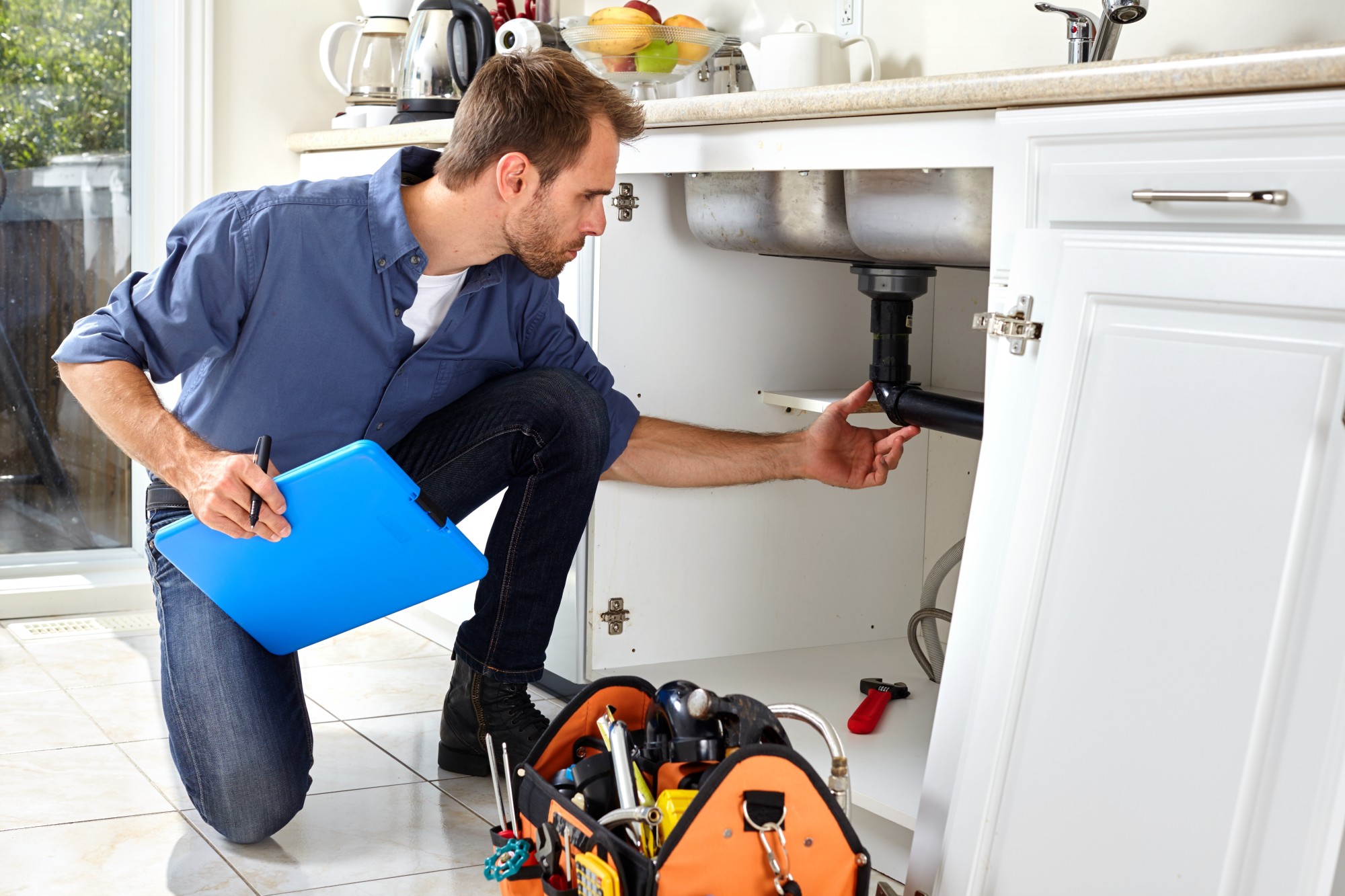
Plumbing repair costs can vary widely. Fixing a leaky faucet usually costs $75 to $150, while unclogging a drain ranges from $100 to $250. For more serious issues like a burst pipe, expect to pay between $300 and $1,500. Read More About Emergency Plumbing cost.
Pros and Cons of Emergency Plumbing Costs
Pros:
- Immediate help for urgent issues.
- Priority service compared to non-emergency situations.
- Professional repairs to prevent further damage.
Cons:
- Higher costs compared to regular service calls.
- Potential for unexpected fees.
- Financial impact due to urgent repairs
Understanding Your Rights as a Customer
It’s important to understand your rights when dealing with plumbing service charges. This includes knowing the terms of service, billing details, and how to handle any disputes. If you have questions or concerns, seeking legal advice can help clarify your situation.
How can I prevent high costs associated with emergency plumbing?
Preventive measures include addressing plumbing issues before they turn into emergencies. Regular maintenance and timely repairs can help avoid costly emergency services.
Can I receive an estimate for emergency plumbing services beforehand?
Many plumbing companies can provide an estimate or quote for emergency services once they assess the situation. Requesting an estimate in advance can help you understand the expected costs.
What should I do if I am not satisfied with the emergency plumbing service?
If the service does not meet your expectations, contact the plumbing company to discuss your concerns. Most companies offer customer service support and may work to resolve any issues or offer solutions to ensure your satisfaction.
Are there extra charges for emergency plumbing services?
Yes, there may be additional charges for emergency plumbing, such as higher rates for services rendered outside normal business hours, weekends, or holidays. Always ask for a detailed explanation of potential extra charges.
Can I call emergency plumbing services, and will I be charged for them?
Yes, emergency plumbing services are available for urgent problems like severe leaks or burst pipes. Typically, these services are billed, which might include an extra fee for the emergency nature of the call.
Is it possible for my insurance to cover emergency plumbing services?
Insurance coverage varies by policy. Contact your insurance provider to find out if emergency plumbing repairs are covered under your homeowner’s or renter’s insurance and to understand the claims process.
Navigating Plumbing Emergencies
Understanding the costs and billing procedures for emergency plumbing services can help you navigate the situation with confidence. By familiarizing yourself with how plumbers charge, including hourly rates, flat fees, and potential additional costs, you can better manage your budget and avoid surprises. Ensure that the plumber you choose provides clear invoicing and offers various payment options for your convenience. Open communication and transparency from your plumber will make the process smoother and less stressful during a plumbing emergency.
Managing plumbing emergencies effectively relies on understanding both the technical and financial aspects. Quick action, clear expectations, and choosing a reliable service provider like Dinomite Service (serving Springtown, Boyd, Azle, Weatherford, and Decatur, TX) can help you handle unexpected issues with confidence.