
Gas Line Leak Repair: What Happens, How to Fix It, and When to Call an Expert
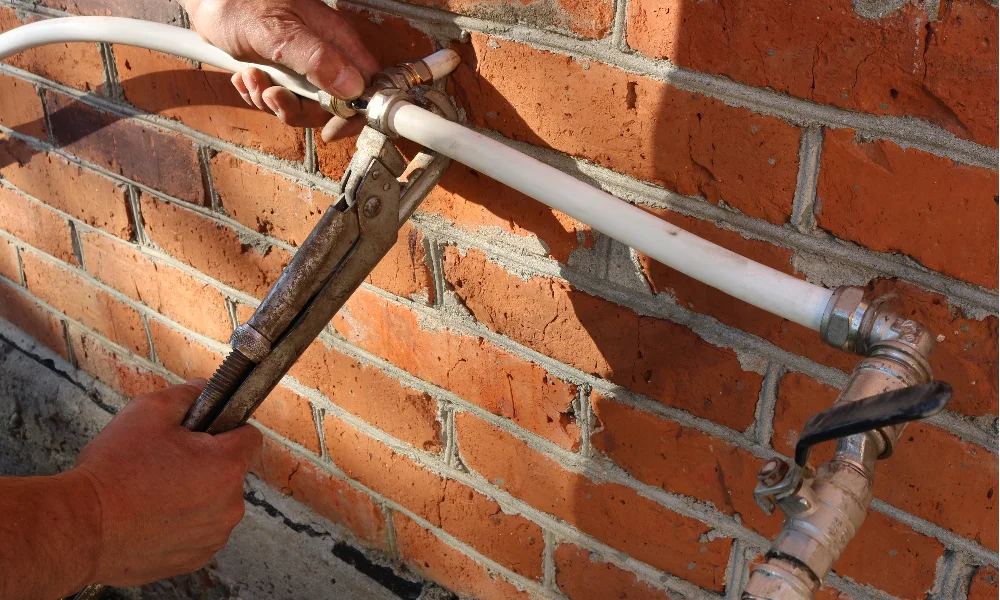
A gas line leak is no small matter. Whether it’s a faint smell of rotten eggs or a hissing sound coming from behind the stove, even minor warning signs can indicate a serious issue. Many homeowners wonder how to handle such a dangerous situation. Understanding gas line leak repair is critical to keeping your home and loved ones safe.
This guide will walk you through the signs, causes, and solutions to gas leaks, including how to fix a gas line leak when to call a professional, and what to do in an emergency.
What Is a Gas Line Leak?
Gas leaks occur when natural gas escapes from the piping system. These lines usually run underground or inside walls, so leaks aren’t always visible. However, the effects can be dangerous or even deadly.
What Happens When a Gas Pipeline Leaks?
Fire and Explosion Hazards
Natural gas is highly flammable. If it accumulates in a confined space, it can ignite with the slightest spark, even flipping a light switch. That’s why gas line leak repair should never be delayed. Fires and explosions can cause property loss, injury, and even fatalities in severe cases.
Health Risks from Gas Exposure
Gas leaks don’t just threaten your property—they can harm your health. Exposure to leaking gas can cause headaches, fatigue, dizziness, and nausea. High concentrations can lead to suffocation. Children and older people are especially vulnerable, making quick action vital if a leak is suspected.
Gas Line Leak Repair: What You Need to Know
If you suspect a gas leak, you might ask: Can a gas line be repaired? In most cases, yes—but the method and success depend on the situation.
Can a Gas Line Be Repaired?
Yes, most gas lines can be fixed. Some leaks only require tightening connections or sealing small gaps, while others need full pipe replacements. Licensed professionals assess the situation and choose the safest and most effective repair option.
How to Fix a Leak in a Gas Line
Fixing a gas leak is not a DIY job for most people. That said, understanding the process can help you act wisely and know what to expect.
1. Turning Off the Gas Supply
This is always step one. Shut off the main gas valve immediately. This stops the flow of gas and reduces the risk of explosion or further leakage. Never attempt gas line leak repair while the gas is still on.
2. Assessing the Leak and Choosing the Right Repair Method
After turning off the gas, the technician inspects the area to determine the location, size, and cause of the leak. The repair method will depend on the material of the pipe and the severity of the damage.
3. Using Gas Leak Sealant or Fittings
For small leaks, approved sealants or specialized fittings can be applied to the damaged area to seal it. These materials are designed for gas-specific use and form airtight seals.
4. Replacing Damaged Sections of the Gas Line
If the pipe is corroded or cracked, the damaged section will be cut out and replaced. This is often the safest solution for long-term results, especially in aging systems.
How Long Does It Take to Repair a Gas Line Leak?
Some leaks are resolved quickly, while others can take several hours or more. Time frames vary by situation.
Factors That Affect Repair Time
Severity of the Leak
A minor leak near an appliance takes less time to fix than a broken underground main line. The bigger the leak, the longer the repair will take.
Accessibility of the Gas Line
Gas lines behind walls or under concrete require extra time for access. Technicians may need to cut drywall or dig to reach the line.
Type of Gas Line Material
Different materials—such as copper, steel, or plastic—require specific tools and methods. Some take longer to work with, depending on flexibility and fitting types.
Location of the Leak
Leaks inside the home are usually easier to reach. Outdoor or underground leaks may take longer due to digging or weather-related delays.
Complexity of the Repair
Multiple leaks or large-scale corrosion add time. Technicians must perform pressure tests to ensure the entire system is safe and functioning correctly.
Availability of Replacement Parts
Uncommon fittings or pipe types might require ordering parts, which delays the repair process.
Weather Conditions
Bad weather can delay outdoor work. Heavy rain, freezing conditions, or extreme heat can limit what technicians can safely do.

How to Check a Gas Line for Leaks
Even if you’re not a plumber, you can stay alert. Knowing how to check gas line for leaks helps catch problems early.
Signs of a Gas Leak
Smell of Sulfur or Rotten Eggs
Utility companies add mercaptan—a chemical that smells like rotten eggs—to natural gas. If you smell it, it could mean trouble.
Hissing or Whistling Sounds
If you hear a faint hissing near a gas pipe or appliance, gas may be escaping under pressure.
Dead or Discolored Vegetation
Grass or plants dying in a specific patch could signal a leak below the surface.
Bubbles in Water
If you see bubbles rising in puddles or wet areas, gas may be escaping from underground sources and mixing with the water.
Physical Symptoms of Exposure
Unexplained headaches, dizziness, nausea, and eye irritation may mean you’re breathing in leaked gas.
A Dead or Non-working Pilot Light
A repeatedly extinguishing pilot light can signal an issue with gas flow or pressure.
Tools and Methods for Checking for Gas Leaks
Soap and Water Solution
Mix water with dish soap and apply to fittings. Bubbles will form where gas escapes. This is a straightforward and cost-effective method.
Gas Leak Detectors
Electronic handheld detectors sense gas levels in the air and alert you with audible beeps or visual indicators.
Infrared Thermometers
Technicians use these to detect cold spots, which may indicate escaping gas changing the temperature of nearby air or surfaces.
Ultrasonic Leak Detectors
These devices detect high-frequency sounds emitted by leaking gas, often before the leak is noticeable.
Common Causes of Gas Line Leaks
Understanding the root of the problem helps prevent future leaks.
Corrosion of Metal Pipes
Over time, moisture and chemicals corrode metal pipes. This is a common issue in older homes.
Physical Damage from Excavation or Construction
Digging in your yard or remodeling your home can accidentally puncture a gas line.
Poor Installation or Maintenance
Improper installation or skipped maintenance appointments can lead to weak joints or bad connections.
Aging and Wear of Gas Lines
Like anything, pipes wear out. If your system is over 30 years old, it’s time for inspection and possible upgrades.
Tree Root Intrusion
Roots from trees and shrubs can grow around and crack buried pipes, creating invisible leaks.
Faulty Seals and Fittings
Old or improperly tightened fittings often become loose over time and begin to leak.
Rodent or Animal Damage
Rodents may chew through gas lines, especially those made of flexible materials, causing slow leaks or sudden breaks.
What to Do If You Think You Have a Gas Leak
Quick thinking could save your home—and your life.
Immediate Actions to Take
Evacuating the Area Safely
Leave the house immediately. Don’t turn off lights, unplug appliances, or use anything that could create a spark.
Contacting Emergency Services
Call 911 or your gas provider from a safe distance. They’ll shut off the supply and send trained professionals.
Preventing Future Leaks
Schedule yearly inspections, replace aging lines, and ensure that only qualified workers handle gas piping.
FAQs
No. The pressure and corrosion involved exacerbate leaks over time, rather than improving them.
Yes—but only yellow gas-rated Teflon tape. Standard white tape is not safe for use on gas lines.
In most cases, yes. Simple leaks near appliances can be repaired within hours. Complex underground repairs may take longer.
Stay Safe with Professional Help
Now that you understand the dangers of gas leaks, you can recognize them, and you know what proper gas line leak repair entails. Don’t gamble with your safety—gas issues demand professional attention. Knowing how to check gas line for leaks helps, but repair work should always be left to licensed experts.
Do you need urgent help or a routine inspection?
Call Dinomite Service today. They specialize in fast, reliable gas line leak repair across Texas. Don’t wait—book your gas line service now and breathe easy knowing your home is safe.