How to Detect a Water Leak in Your Yard Before It Gets Worse
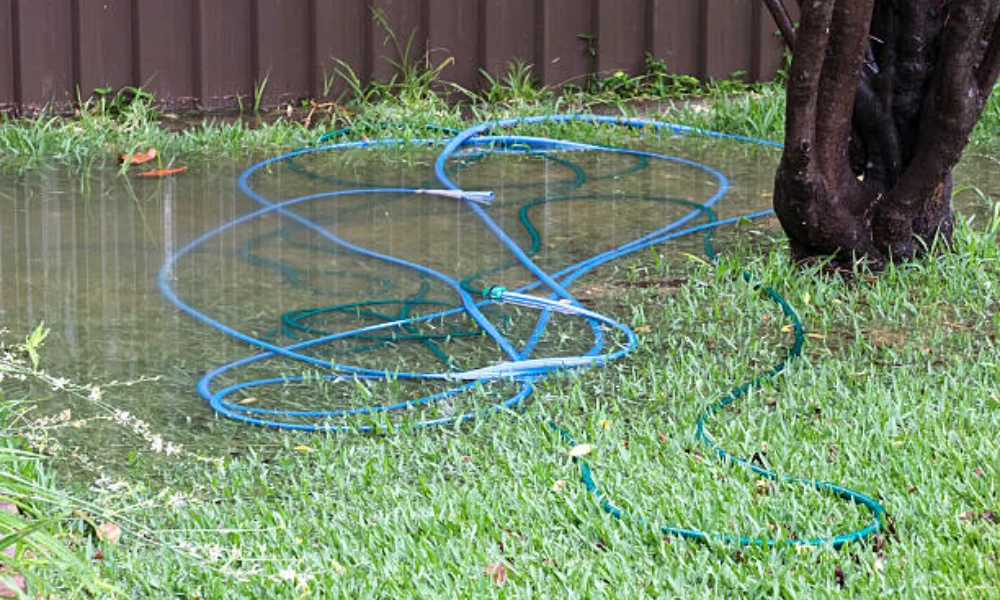
Outdoor leaks rarely announce themselves loudly, but the damage builds quietly beneath your yard. A small hidden issue can lead to rising water bills, soggy patches, and even foundation problems if left unchecked. That’s why detecting a water leak in yard conditions early matters more than most homeowners realize. Let us learn how to spot warning signs, understand what’s happening underground, and take the right steps before a minor leak turns into a major repair.
How to Detect a Water Leak in Your Yard
Early identification of underground leaks requires a mix of observation, simple system checks, and awareness of how your yard normally behaves. Changes in moisture levels, water usage patterns, and ground conditions often develop gradually, but they point to deeper plumbing issues when viewed together. By paying attention to subtle shifts and confirming them with basic checks, you can catch problems early and avoid costly excavation. This approach makes detecting water leaks in a yard more accurate, since you are not relying on a single sign but connecting multiple indicators before the damage spreads. While pooling water outside points to a main line issue, handling sluggish indoor fixtures often just requires a simple guide on how to unclog a shower drain before hair and soap scum completely block the pipe.
Here is what to do:
1. Check your water meter for continuous movement
Your water meter is one of the most reliable tools for spotting leaks early. Turn off all water sources in your home and observe the meter reading. If it continues moving, water is escaping somewhere underground. This is often the first technical sign of a hidden issue.
2. Look for unusually wet or soggy spots
Moist patches in dry weather often indicate underground leakage. These areas feel soft underfoot and may expand over time. Moreover, consistent wet zones suggest water is escaping continuously beneath the surface.
3. Watch for sudden increases in water bills
A sharp rise in monthly usage without lifestyle changes often signals leakage. This is a common financial indicator linked with water leaks in yard situations. Reviewing past bills helps you compare unusual consumption patterns.
Unexpected increases in usage often point to hidden leaks that are not visible on the surface. The U.S. Geological Survey explains that even small, continuous leaks can significantly affect overall water consumption over time.
4. Inspect for lush or fast-growing grass areas
Certain patches of grass may grow faster due to an extra underground water supply. This uneven growth pattern is a strong biological indicator. Eventually, it creates visible green streaks compared to the surrounding dry soil.
5. Listen for running water sounds underground
Soft hissing or flowing sounds under soil can indicate pressurized leaks. These sounds are easier to notice at night when the surroundings are quiet. However, they often require careful listening near suspected areas.
6. Contact a Professional Water Leak Detection Service
If signs continue, professional help ensures accurate identification. Experts use advanced tools for detecting water leaks in the yard without unnecessary digging.
You can also learn more about underground detection through this guide on how to find a water leak under a concrete slab, which explains deeper inspection methods.
Common Signs of Water Leaks in the Yard
Visible yard changes often provide early warnings before major plumbing failure occurs. These signs help identify water leaks in yard conditions quickly. Moreover, they highlight soil instability, surface damage, and environmental changes caused by continuous underground water flow.
Standing water or muddy areas
Unexplained puddles suggest water is escaping below the surface. These wet zones may appear even during dry weather. Furthermore, repeated moisture weakens soil structure over time.
Low water pressure inside the home
A sudden drop in pressure often indicates water loss in the system. This means supply is being diverted before reaching fixtures. However, it may also point to underground pipe leakage. A hidden pipe break can quickly cause structural issues, much like the immediate property damage you face when trying to drain an overflowing toilet during a backup.
Cracks in pavement or driveways
Water erosion beneath concrete can create pressure voids. This eventually leads to visible cracking or lifting. These structural changes often worsen if not addressed early.
Mold or mildew smells outdoors
Persistent dampness encourages microbial growth in soil and on surfaces. This produces a noticeable earthy or musty smell. Over time, it indicates long-term moisture exposure.
Sinkholes or soil shifting
Soil displacement happens when water washes away underground support. This creates uneven ground or small depressions. Eventually, it may lead to safety hazards in the yard.
What Causes Water Leaks in the Yard
System deterioration isn’t limited to buried pipes; underground leaks share many similarities with common water heater problems in older homes due to aging infrastructure. Early detection relies on observing small changes in your yard and confirming them with simple checks. Moisture patterns, water usage behavior, and ground stability often shift before visible damage appears. When you connect these subtle indicators, it becomes easier to spot hidden plumbing issues early. This approach makes detecting water leaks in yard situations more accurate and prevents costly repairs later.
Broken or Cracked Underground Pipes
Pipes can crack due to pressure changes or material fatigue. Once damaged, water escapes directly into the surrounding soil. This is one of the most common underground issues.
Tree Root Intrusion in Water Lines
Roots naturally search for moisture and enter small pipe openings. As they grow, they widen cracks and block the flow. Eventually, this leads to significant leakage and reduced water efficiency.
Corrosion or Aging Plumbing Materials
Older metal pipes degrade over time due to oxidation. This weakens the structure and creates pinhole leaks. These leaks often go unnoticed for long periods. Preventing early degradation in your water systems involves understanding material reactions, such as comparing an aluminum versus magnesium anode rod for your water heater to combat aggressive soil and water chemistry.
Shifting Soil or Ground Movement
Soil expands and contracts with moisture and temperature changes. This movement puts stress on buried pipes. Consequently, joints may loosen or break.
Improper Installation of Water Lines
Incorrect pipe depth or poor sealing increases leak risk. Faulty installation leads to early wear and hidden damage. This is why proper setup is critical for durability.
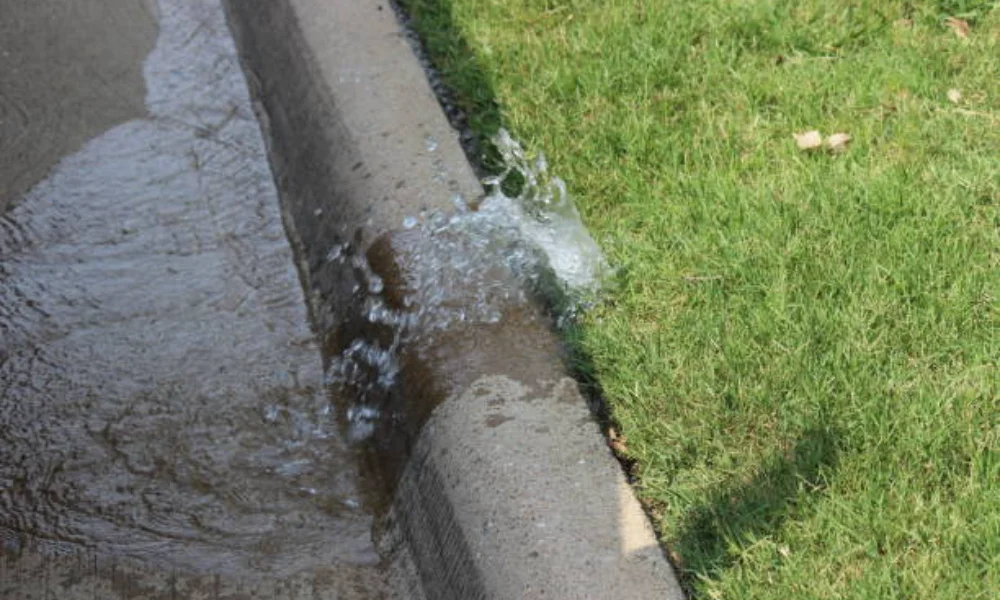
How Professionals Detect Underground Water Leaks
Experts use specialized tools for the precise detection of water leaks in yard diagnosis. These methods reduce unnecessary digging and improve accuracy. Moreover, they help locate leaks faster while minimizing property disruption.
Electronic Leak Detection Equipment
Licensed technicians use calibrated electronic sensors that detect moisture variations and electrical conductivity in soil. These tools are commonly used in municipal and residential leak detection because they reduce guesswork. By mapping moisture levels precisely, professionals can narrow down leak zones without damaging your yard surface.
Acoustic Listening Devices
Trained specialists rely on acoustic equipment designed to pick up sound frequencies created by pressurized water escaping pipes. These devices filter background noise and isolate leak-specific vibrations. This method is trusted in the plumbing industry because it allows accurate detection even when leaks are deep underground.
Pressure Testing Methods
Professionals perform controlled pressure tests by isolating sections of the plumbing system. They use industry-standard gauges to monitor pressure stability over time. A measurable drop confirms leakage within that section, which helps pinpoint the issue before excavation begins. Just as plumbers use specialized pressure gauges to isolate water line leaks, technicians follow a similar meticulous process to test gas pressure safely.
Camera Inspections for Underground Lines
Experts insert high-resolution inspection cameras into pipelines to visually assess internal conditions. This method is widely used in modern plumbing diagnostics to confirm cracks, corrosion, or root intrusion. It provides clear evidence, which helps create a precise and efficient repair plan.
FAQs
The most effective method combines electronic detection and pressure testing. This approach improves accuracy in identifying underground leaks.
Small leaks can remain hidden for months or even years. Many water leaks in the yard grow slowly without visible surface changes.
You should immediately shut off the water supply if possible. Then contact a professional service for inspection and repair assessment.
Call Dinomite Service for Reliable Water Leak Detection in Texas
Early action is key when dealing with underground water issues. Ignoring warning signs can lead to soil damage, high bills, and structural risks. Professional inspection ensures accurate diagnosis and safe repair planning.
For trusted help with detecting water leaks in yards, Dinomite Service provides advanced inspection solutions tailored to underground systems. Our expertise helps identify issues quickly and reduce long-term property damage. Contact Dinomite Service today to protect your yard and restore system efficiency before the problem worsens.