How to Dissolve Hair in a Shower Drain
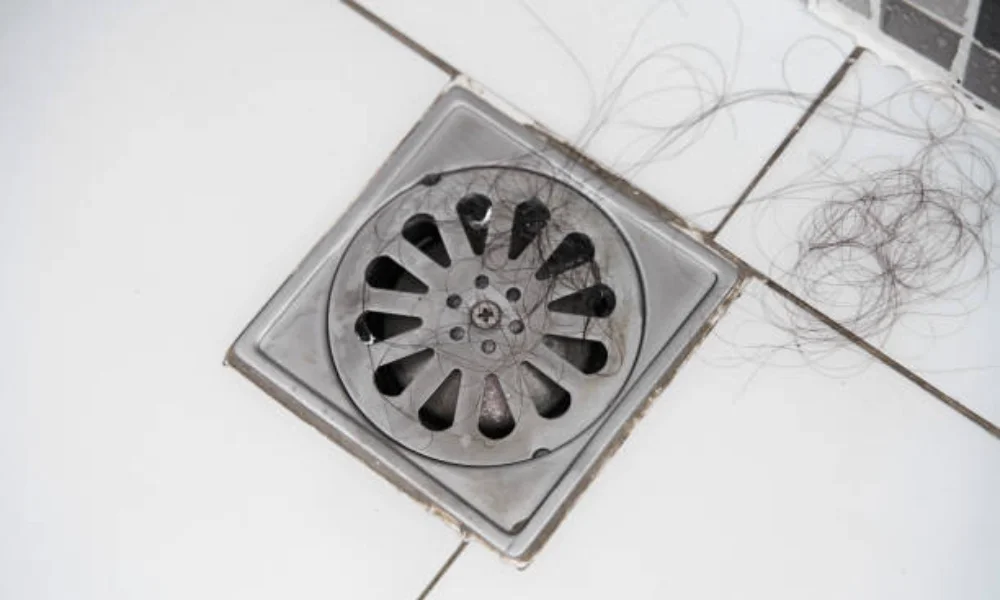
Hair clogging your shower drain is more than just annoying; it disrupts your routine and signals a problem building inside your pipes. When you start looking for ways to dissolve hair in a shower drain, it usually means water is backing up, draining slowly, or leaving residue behind after every shower. Ignoring it can lead to deeper blockages, pipe stress, and repeated plumbing headaches. This guide walks you through what truly helps break down hair, what only offers short-term relief, and how to know when expert plumbing support becomes the safest move.
How to Dissolve Hair in a Shower Drain
Hair does not dissolve easily, but certain products are designed to break it down safely inside pipes. When homeowners try to dissolve hair in a shower drain, success depends on how the cleaner reacts with keratin, the protein that makes up hair. Some solutions work chemically, while others soften buildup so it can flush away. The right approach depends on clog depth, pipe material, and how long the blockage has formed.
Chemical Drain Cleaning Products Designed for Hair
Chemical drain cleaners made for hair target protein-based blockages inside bathroom drains. These products usually contain alkaline or oxidizing agents that weaken hair structure. As the chemical reacts, hair strands soften and break apart, allowing water to carry away smaller pieces. However, these cleaners must be used carefully because repeated exposure can damage older pipes or seals. Always follow manufacturer instructions and avoid mixing products, as this can cause dangerous reactions.
Other Ways to Loosen and Clear Hair from a Shower Drain
Not every clog requires harsh chemicals. In many cases, buildup is still loose enough to respond to gentler methods. These approaches focus on gradual breakdown, mild chemical reactions, or heat-assisted loosening. They work best for slow drains rather than complete blockages and help reduce strain on plumbing systems.
Enzyme-Based Drain Cleaner Products
Enzyme cleaners rely on bacteria that feed on organic material trapped inside pipes. These products digest hair, soap residue, and body oils over time. Because enzymes work slowly, results are not immediate, but they are safer for pipes and septic systems. Regular use helps maintain flow and reduces future buildup rather than forcing an instant clear.
Hydrogen Peroxide and Baking Soda
Many homeowners ask whether hydrogen peroxide dissolves hair in the drain when combined with baking soda. This mixture creates a mild foaming reaction that can loosen hair stuck near the surface. Baking soda adds abrasion, while peroxide releases oxygen that helps break down organic material. This method works best for light buildup and should be followed by warm water to flush loosened debris. It is not strong enough for deep or compact clogs.
Hot Water and Mild Solutions for Minor Hair Buildup
Hot water alone can soften soap and oils that trap hair along pipe walls. When combined with gentle dish soap, it helps loosen fresh buildup. This approach is useful for routine maintenance but will not remove dense hair clumps. Boiling water should be avoided in PVC pipes, as excessive heat can weaken joints.
According to the U.S. Environmental Protection Agency, grease and organic waste are leading contributors to household drain blockages, especially in bathroom plumbing, where residue accumulates slowly over time. You can review related plumbing guidance at https://www.epa.gov/.
When Hair Cannot Be Fully Dissolved
Some shower drain clogs reach a point where chemical solutions stop working as intended. As hair sits inside pipes, it compresses, tangles, and binds with surrounding debris, reducing the ability of cleaners to evenly penetrate the blockage. Over time, airflow and water movement become restricted, limiting chemical contact and slowing reactions.
This is how a partial breakdown leaves material behind, increasing pressure inside the line. In these situations, relying solely on chemical action can strain pipe joints, while targeted physical clearing is necessary to restore proper flow and prevent long-term plumbing damage.
Dense or Compacted Hair Clumps
Over time, loose hair twists into thick bundles that resist chemical breakdown. These clumps block water flow completely and often sit just below the drain opening. Cleaners may soften the outer layer, but the center remains intact. Mechanical removal is usually required to clear the obstruction fully.
Hair Trapped Around Pipe Bends or P-Traps
P-traps are designed to hold water and block sewer gases, but they also trap hair easily. When hair wraps around bends, chemicals struggle to reach all surfaces evenly. This uneven exposure limits effectiveness and leaves residue behind. Accessing the trap directly ensures complete removal without stressing the pipe.
Combined Hair and Grease Blockages
Hair often binds with soap fats and body oils, forming sticky blockages. This mixture resists water flow and hardens over time. While some cleaners soften grease, the hair core remains intact. These clogs usually require professional drain cleaning tools to break apart safely.
Why Hair Builds Up Inside Shower Drains
Hair buildup rarely happens overnight. Small strands catch on pipe surfaces and combine with soap scum, oils, and other residues over weeks or months. Over time, these materials form dense layers that slow drainage. According to the U.S. Environmental Protection Agency, household items like grease, oils, and personal hygiene products can clog pipes and cause backups if poured down drains. This shows how easily hair mixed with organic residues and soap scum can block your plumbing.
Hair Mixing With Soap, Oils, and Residue
Soap scum and skin oils coat pipe walls, creating a sticky surface. Hair clings to this residue instead of flowing through freely. As more hair attaches, the drain narrows and slows. This cycle repeats until water drainage becomes noticeably poor.
Gradual Accumulation Along Pipe Walls
Even smooth pipes develop microscopic roughness over time. Hair catches on these imperfections and begins layering. Each shower adds more material, slowly reducing the pipe diameter. Because this happens out of sight, many homeowners notice the problem only after a clog forms.
How to Prevent Hair From Going Down the Drain
Preventing hair from entering your drain is easier than removing clogs later. Simple habits, like using drain covers, brushing hair before showers, and regular maintenance, reduce buildup and keep water flowing smoothly. Combining these methods protects your pipes, minimizes chemical use, and extends the time between professional cleanings.
Use Drain Covers or Hair Catchers
Drain covers or hair catchers create a physical barrier that prevents hair from entering your plumbing. According to plumbing experts, these tools significantly reduce the risk of clogs when used consistently. They are inexpensive, easy to clean, and particularly effective at stopping hair from reaching deep inside pipes, where chemical cleaners may struggle to reach. Using them regularly can save time, prevent costly repairs, and maintain proper water flow.
Remove Hair After Each Shower
Even a few strands left around the drain can accumulate over time, eventually causing slow drainage. By removing hair immediately after each shower, you stop buildup before it starts. This simple step, recommended by professional plumbers, takes only a few seconds but greatly reduces long-term clogs, keeping your drain clear and extending the life of your pipes.
Brush Hair Before Showering
Brushing your hair before washing removes loose strands that would otherwise shed into the shower. Fewer hairs entering the drain reduces the likelihood of blockages and reduces reliance on chemical cleaners. Plumbers and home maintenance specialists agree that this small preventative habit supports overall drain health and assists prevent hair from going down the drain naturally.
Perform Routine Drain Maintenance
Periodic maintenance, such as flushing drains with warm water and mild, pipe-safe solutions, prevents soap, oils, and small debris from hardening inside pipes. While this does not replace professional service, it reduces the risk of serious blockages and protects your plumbing infrastructure. Experts recommend combining routine maintenance with preventative tools for the best long-term results.
When To Call a Professional Plumber
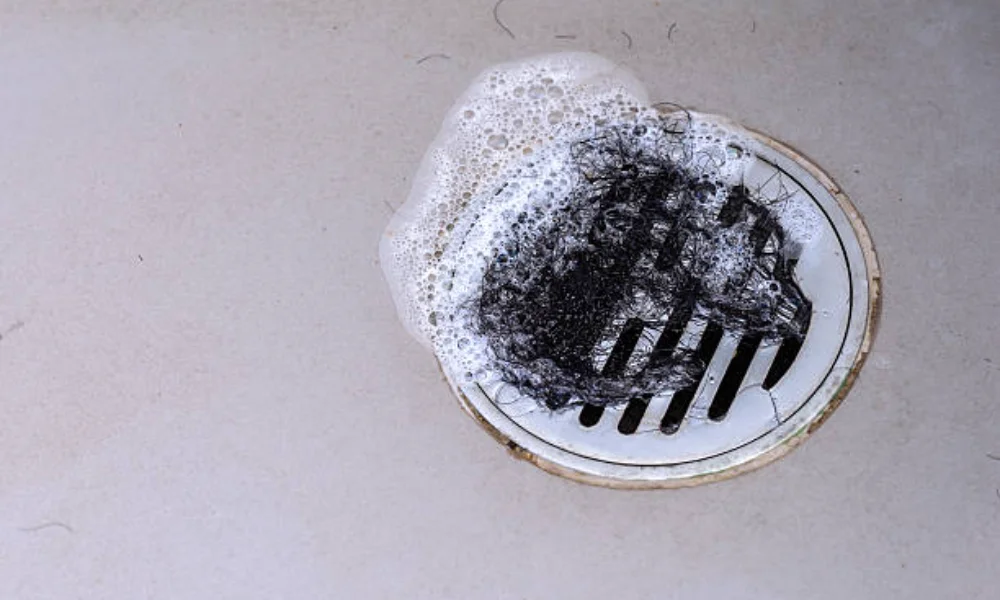
Some clogs resist home remedies and can lead to leaks or pipe damage if ignored. Persistent slow drains, recurring backups, or chemical cleaners failing are clear signs it’s time to call a professional. Plumbers have the right tools as well as expertise to remove stubborn blockages safely and protect your plumbing in the long term.
Repeated or Slow-Draining Showers
If drains slow again shortly after cleaning, the buildup may be deeper in the line. This pattern suggests partial clearing rather than full removal. Professional tools reach areas that household methods cannot.
Water Backups or Standing Water
Standing water indicates the blockage is significantly restricting flow. This condition increases pressure in pipes and increases the risk of leaks. Immediate professional attention helps prevent further damage.
Chemical Cleaners Failing To Clear the Drain
If multiple products fail, continued use may harm pipes without solving the issue. At this stage, mechanical cleaning is safer and more effective. You can learn more about professional options through this detailed guide on shower drain unclogging services: https://dinomiteservices.com/how-to-unclog-shower-drain/.
FAQs
Hydrogen peroxide can help weaken light hair buildup by breaking down organic material. However, it is not effective for dense or compacted clogs. For significant blockages, professional drain cleaning is recommended.
Vinegar alone does not dissolve hair effectively. It can break down soap residue but leaves hair strands intact. It works better as a maintenance rinse rather than a clog solution.
The best option depends on the severity of the clog. Hair-specific chemical cleaners work for moderate buildup, while enzyme products support maintenance. For stubborn blockages, professional drain cleaning remains the safest choice.
Call Dinomite Service for Professional Drain Cleaning Plumbing Services in Texas
Hair clogs often start small but grow into costly plumbing problems if ignored. This guide explained why buildup happens, what helps, and when DIY methods fall short. If your shower drain continues to slow or clog, professional help protects your pipes and restores proper flow. Contact Dinomite Service for trusted drain cleaning and plumbing support across Texas, delivered by experienced technicians who understand real-world drainage issues.