How to Pressure Test a Water Line at Home
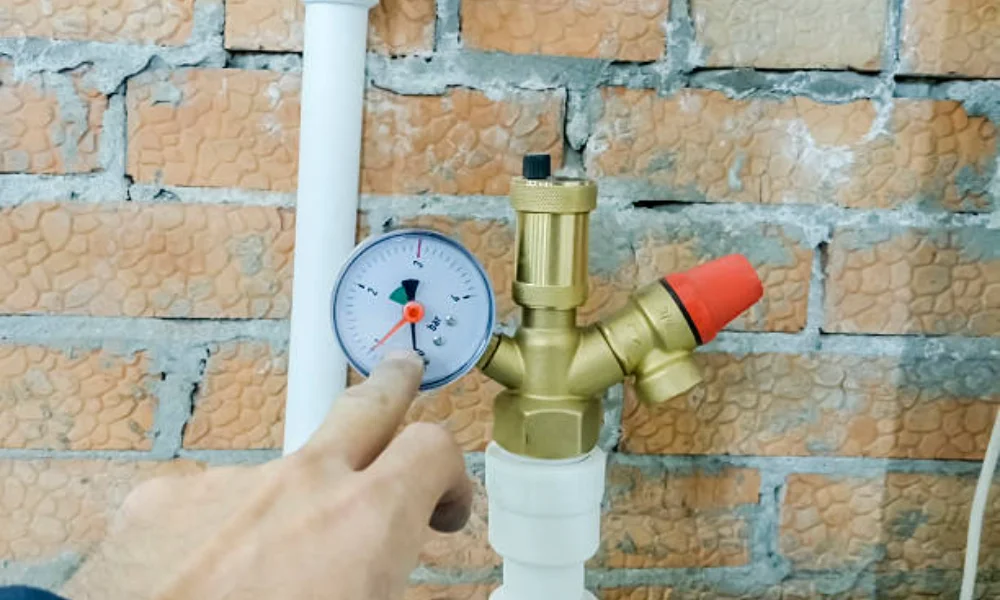
Worried there might be a hidden leak in your plumbing, or just want peace of mind that everything is working as it should? Water line pressure testing gives you a clear answer without guesswork. Even a small, unnoticed leak can waste water and slowly damage your pipes. Understanding how this process works helps you catch issues early and avoid expensive repairs. Let us see how professionals test water lines, what warning signs to watch for, and when it’s time to call in an expert.
How to Pressure Test a Water Line: Steps Professionals Use
Water line pressure testing involves a controlled process where plumbers isolate a line, apply pressure, and monitor for drops that signal leaks. Each step matters because improper setup or unstable pressure can lead to false readings. Professionals follow a sequence that includes isolating the system, connecting accurate gauges, stabilizing pressure, and carefully observing changes. This structured approach ensures leaks are identified without causing additional stress to the pipes, especially in systems exposed to a high-pressure water line environment.
1. Shut Off the Water Supply and Isolate the Line
Before testing begins, the water supply must be completely shut off. This prevents external pressure from affecting results.
Plumbers then isolate the specific section of piping being tested. This step ensures the test focuses only on the targeted line, which improves accuracy and reduces confusion during readings.
2. Drain Remaining Water From the Line (If Air Testing)
If the test uses air instead of water, the line must be fully drained. Any remaining water can distort pressure readings.
This step also prevents trapped water from absorbing pressure changes, which could hide small leaks that need attention.
3. Connect Pressure Testing Equipment
Professionals attach a pressure gauge and pump to the isolated line. These tools must be calibrated for accurate results.
The connection points are sealed tightly to prevent leaks at the testing equipment itself, which could otherwise lead to incorrect conclusions.
4. Pressurize the Line With Air or Water
The line is then pressurized to a specific level based on system requirements. This pressure often exceeds normal operating levels slightly.
This is how weak points are exposed. However, pressure must be applied gradually to avoid sudden stress that could damage older pipes.
5. Allow the Pressure to Stabilize
Once pressurized, the system is left undisturbed for a short time. This allows temperature and internal conditions to settle. Stabilization ensures that any pressure changes observed later are due to leaks, not natural fluctuations.
6. Monitor the Pressure Gauge for Drops
The pressure gauge is observed over time. A steady reading indicates a sealed system.
If the pressure drops, it signals a leak somewhere in the line. Even small drops can point to slow leaks that may worsen over time.
7. Inspect and Identify Potential Leaks
After detecting a pressure drop, professionals inspect the line visually and with specialized tools. They check joints, fittings, and underground sections where leaks are harder to detect. This step confirms the exact location before repairs begin.
Signs a Water Line May Need Pressure Testing
Certain warning signs indicate your plumbing system may have hidden issues. These symptoms often develop gradually, but ignoring them can lead to structural damage or water waste. Recognizing early signs helps you decide when a water line pressure test becomes necessary. Issues like pressure loss, rising bills, or unexplained moisture often point to leaks that are not visible on the surface.
Unexplained Drop in Water Pressure
If your faucets suddenly lose strength, it may indicate a leak, reducing the flow. This change often happens slowly, which makes it easy to overlook until the issue becomes severe.
Unexpected Increases in Water Bills
A rising water bill without increased usage often signals hidden leaks. Even a small crack in a pipe can waste gallons of water daily, increasing costs over time.
Moisture or Wet Areas in the Yard
Wet patches in your yard may indicate an underground leak. This is especially common in main water lines, where leaks can spread unnoticed beneath the surface.
Sounds of Running Water Without Use
Hearing water flow when no fixtures are running often points to a hidden issue. This sound usually comes from water escaping through a crack or loose connection inside the system.
What Is the Normal Water Pressure for a House?
Most residential plumbing systems operate between 40 and 60 PSI. This range supports efficient water flow without damaging pipes or fixtures. When pressure moves outside this range, problems begin to develop. Both low and high pressure can affect performance, increase wear, and create conditions where leaks form. Maintaining proper pressure is essential, especially in systems exposed to high-pressure water line conditions.
Risks of Low or High Pressure
Poor fixture performance and weak flow
Low pressure reduces the force of water at faucets and showers, which affects daily tasks like rinsing or filling containers. In many cases, this issue points to leaks, mineral buildup, or partially closed valves within the system. Identifying the root cause early helps prevent further pressure loss and restores proper flow.
Increased wear on plumbing components
When pressure stays too high, water moves through pipes with excessive force, which gradually strains internal components. Over time, this can loosen fittings, damage seals, and weaken joints. Consistent exposure to high pressure shortens the lifespan of your plumbing system as well as increases the likelihood of sudden failures.
Hidden leaks
Excess pressure often creates micro-cracks in pipes or weakens existing connections, which allows water to escape slowly. These leaks usually remain unnoticed because they occur behind walls, under floors, or underground. Regular testing helps detect these issues before they lead to structural damage or mold growth.
Pipe stress that can lead to cracks
Frequent pressure fluctuations cause expansion and contraction within the pipes, which stresses the material. This repeated strain weakens pipe walls over time, especially in older systems or rigid piping materials. Eventually, this stress can result in visible cracks or even pipe bursts if left unaddressed.
Reduced the efficiency of appliances
Household appliances like dishwashers and washing machines are designed to operate within a certain pressure range. When pressure is too low or too high, these appliances cannot function efficiently. This not only affects performance but also enhances energy and water consumption during each cycle.
Premature failure of valves and fittings
Valves and connectors are built to regulate and control water flow, but they are sensitive to pressure extremes. High pressure places constant strain on internal seals and moving parts, which can cause them to wear out faster. Once these components fail, leaks and pressure inconsistencies become more frequent.
Why Professional Testing Is Important
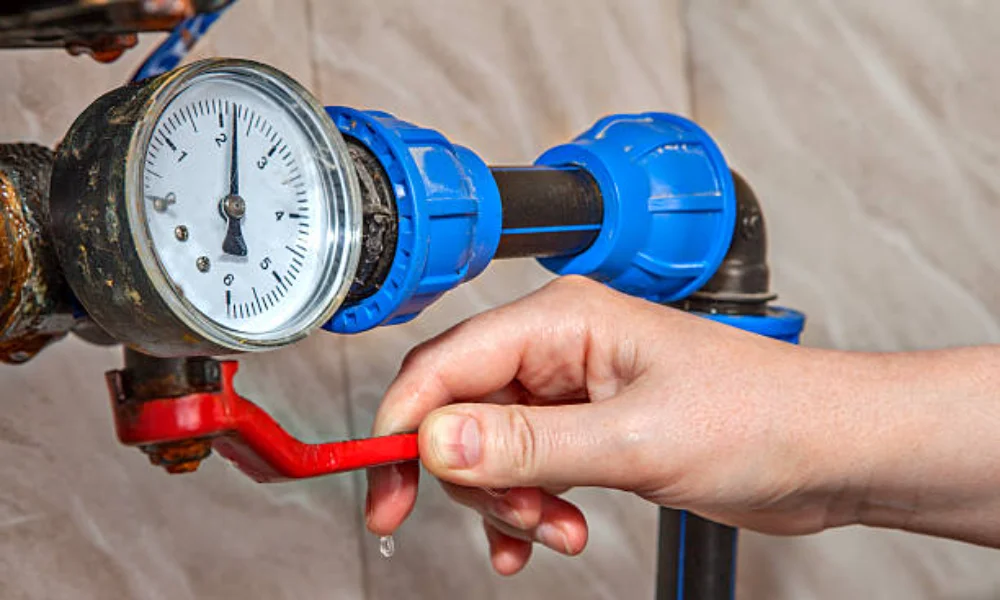
While basic checks may seem simple, accurate water line pressure testing requires experience and proper equipment. Professionals follow safe procedures and understand how to interpret results correctly. They also ensure the process does not damage your plumbing system. This level of expertise becomes critical when dealing with hidden leaks or complex piping systems.
Preventing Further Pipe Damage
Improper testing can add stress to already weak pipes. Professionals apply controlled pressure to avoid causing additional damage during the process.
Accurate Leak Detection
Small leaks require precise tools and techniques to locate. Experts use advanced methods to pinpoint issues without unnecessary digging or disruption.
Safe Handling of Pressure Equipment
Pressure testing tools must be handled carefully. Incorrect use can lead to injury or system damage, especially when dealing with compressed air.
If you suspect a leak but cannot confirm it, professional services like pressure-based leak detection and repair can help identify the issue accurately and prevent further complications.
FAQs
Water lines are typically tested at a pressure slightly higher than normal operating levels. This often falls between 60 and 80 PSI, depending on the system design and local standards.
Both methods have advantages. Water testing is safer and more accurate for detecting leaks, while air testing is useful for systems that cannot hold water temporarily.
Testing should never involve unstable pressure levels or poorly sealed connections. Skipping stabilization time or using faulty gauges can lead to inaccurate results and potential damage.
Contact Dinomite Service for Water Line Repair in Parker, TX
Pressure testing helps detect leaks early, protect your plumbing system, and prevent costly repairs. You learned how professionals isolate lines, apply controlled pressure, and monitor for changes. You also saw how warning signs like low pressure, high bills, and wet spots can signal deeper issues.
If you suspect a leak or want accurate testing, trust Dinomite Service for reliable solutions. Our team understands how to handle complex systems and identify hidden problems before they worsen. Reach out to us today to protect your home and ensure your water lines stay in top condition.