The Role of Professional Plumbing in Home Renovations

Renovation planning gets complicated fast when your pipes and fixtures need attention, too. Homeowners seeking help with plumbing in Springtown, TX, often discover pipe problems only after the drywall is up. Even seemingly minor design choices, such as adding a second sink, can affect available space, project costs, and permit requirements.
In this guide, Dinomite Service will explain the role of plumbing in home renovations, from early planning to final testing.
How the Role of Plumbing in Home Renovations Begins With Planning
Plumbing decisions should be settled before walls and floors are closed up.
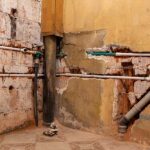
A plumber starts by studying your existing water supply and drainage systems. They check your pipes’ age and material, then see how well your drains work. Moving a sink or toilet changes pipe routes and drainage slopes. It can also leave a shutoff valve hidden behind a cabinet.
Reviewing a guide to plumbing helps you understand how water moves through your home before you finalize the renovation layout, preventing costly changes later.
How Professional Installation Supports the Renovation
Professional plumbing installation helps new components work with your existing system. A skilled plumber selects compatible pipe sizes and connection types to maintain proper water flow and drainage. A renovation is also a practical time to replace fixtures and pipes, especially when opening the walls reveals corroded or damaged lines.
Homeowners often consider these plumbing system upgrades:
- Water-saving fixtures: Low-flow toilets and faucets can cut water use without sacrificing everyday performance.
- Updated supply lines: Modern materials can improve water flow and outlast corroded older pipes.
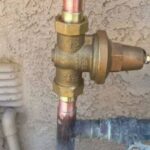
- Accessible shutoff valves: New valves let you stop water to one fixture without shutting off the whole house.
The right choices depend on your home’s condition and your renovation goals.
Coordinating Plumbing With Other Renovation Work
Plumbers often work alongside cabinet installers and electricians, and each trade needs space and timing that fit the others. Sharing finalized fixture specifications early also helps the plumber confirm connection sizes and access requirements before installation begins, reducing delays when cabinets and countertops arrive later at the renovation site.
Completing plumbing work before new floors go down reduces the risk of reopening finished surfaces and disrupting the renovation schedule.
How Final Checks Protect Your Renovated Home
Plumbing code compliance keeps renovation work safe and lawful. Local codes set rules for pipe sizing and venting, and ignoring them can create safety risks and costly corrections.
Before covering anything, a plumber runs pressure tests to find weak joints. Drain checks then confirm water flows freely, and a review of each connection ensures nothing is loose.
Plumbing inspections and leak prevention go hand in hand, since an inspector can verify the work before you close up walls and floors. Catching a slow drip at this stage protects your new finishes from water damage.
Keep records of the completed work, too. Those documents help with future maintenance and can reassure buyers when you sell.
Plan a Better Renovation With Dinomite Service
Professional plumbing helps keep your renovation organized and your new fixtures and pipes working properly. Our team can help you choose plumbing upgrades that add value for your home. Backed by more than 30 years of plumbing experience and a five-star reputation, we bring real peace of mind to homeowners across Parker County and surrounding areas.
Call Dinomite Service at (682) 412-1204 and let us handle your home renovation plumbing in Springtown, elsewhere in Parker County, or in a nearby community.
Frequently Asked Questions
These common questions explain what to expect throughout the plumbing portion of a home renovation.
Yes, you can often remain at home during a plumbing renovation. It depends on the project’s scope and whether you’ll have a working bathroom during the water shutoffs.
Water shutoffs during renovation vary by job, from a short pause to a longer stretch. Your plumber should give you an expected schedule beforehand.
Before requesting an estimate, share your renovation plans and fixture selections with the plumber. Also mention any known plumbing problems and previous repair records, as they help the plumber provide the most accurate estimate.
If a plumbing problem appears after the renovation, document it with photos and notes. Limit your water use if needed, and contact the responsible professional promptly.