Understanding Water Pressure Regulators in Plumbing Systems
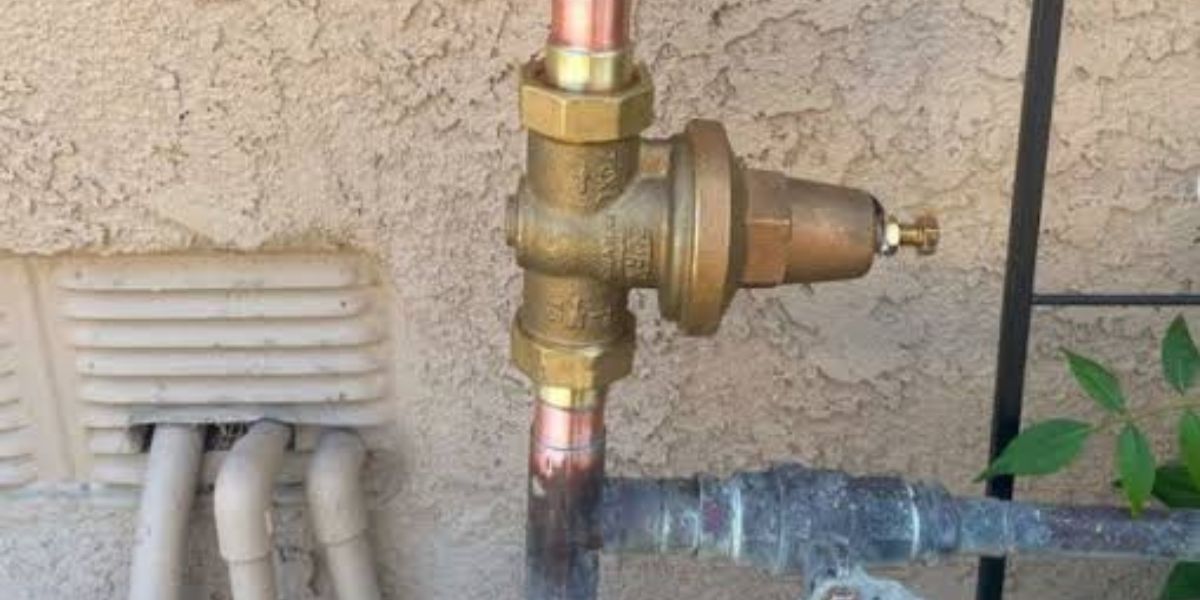
Strong, forceful water pressure might feel satisfying in the shower, but it can quietly wreck your pipes over time. If that pressure becomes inconsistent, your everyday fixtures may begin to surge or lose strength without warning.
In this guide, Dinomite Service explains how water pressure regulators in plumbing systems work and the warning signs to watch for, so you know when to call for professional plumbing in Springtown, TX.
What a Water Pressure Regulator Actually Does
A water pressure regulator reduces incoming flow to a controlled level for the home. Municipal water pressure can exceed 80 PSI in some areas, which is higher than residential plumbing systems should receive without regulation.
Inside the regulator, a diaphragm responds to downstream pressure and works with a spring to control the valve opening. When downstream pressure rises above the set level, the diaphragm narrows the valve opening. When pressure drops, the diaphragm relaxes, widening the opening to let more water through.
Locating Your Regulator and Recognizing Problems
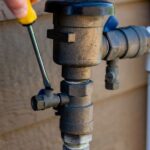
The water pressure regulator is typically installed near the main shutoff valve where the supply line enters the home. Some homes have a water pressure gauge built right into the unit, making it easy to check pressure without extra tools.
Watch for a few warning signs that suggest trouble with your regulator:
- Banging pipes: Sudden changes in water flow creating water hammer
- Leaking fixtures: Faucets or connections that drip even when nothing is actively running
- Spiking water bills: A sudden increase in usage with no obvious explanation
These signs may indicate that the water pressure regulator in the plumbing system needs a professional inspection.
How a Faulty Regulator Affects Water Pressure
High water pressure can strain pipes, fixtures, and water-using appliances over time. This added stress may contribute to leaks or shorten the service life of connected components.
There are several reasons for low water pressure in your house as well, and a malfunctioning regulator is sometimes the cause. Professional pressure testing can determine whether the regulator is restricting flow or allowing excessive pressure into the plumbing system.
Dinomite Service Keeps Your Plumbing System Protected
A dependable water pressure regulator in your plumbing system helps your home maintain balanced pressure during daily use. Dinomite Service can inspect your regulator and perform pressure testing on the water line to determine whether repairs or replacement is needed. Call us at (682) 412-1204 to schedule service in Springtown, TX.
Frequently Asked Questions
Here are a few more answers to common questions about home water pressure regulators.
You can adjust the screw on top of most regulators, but doing so without a pressure gauge risks damaging your plumbing, so it’s safer to have a professional handle it.
Not every home has one installed, but any home that receives municipal water at above 80 PSI benefits significantly from adding a regulator.
A yearly inspection of the water pressure regulator in your plumbing system is a smart way to catch pressure fluctuations or wear before they become bigger issues.