Why Drains Slow Down After Heavy Rain in Springtown
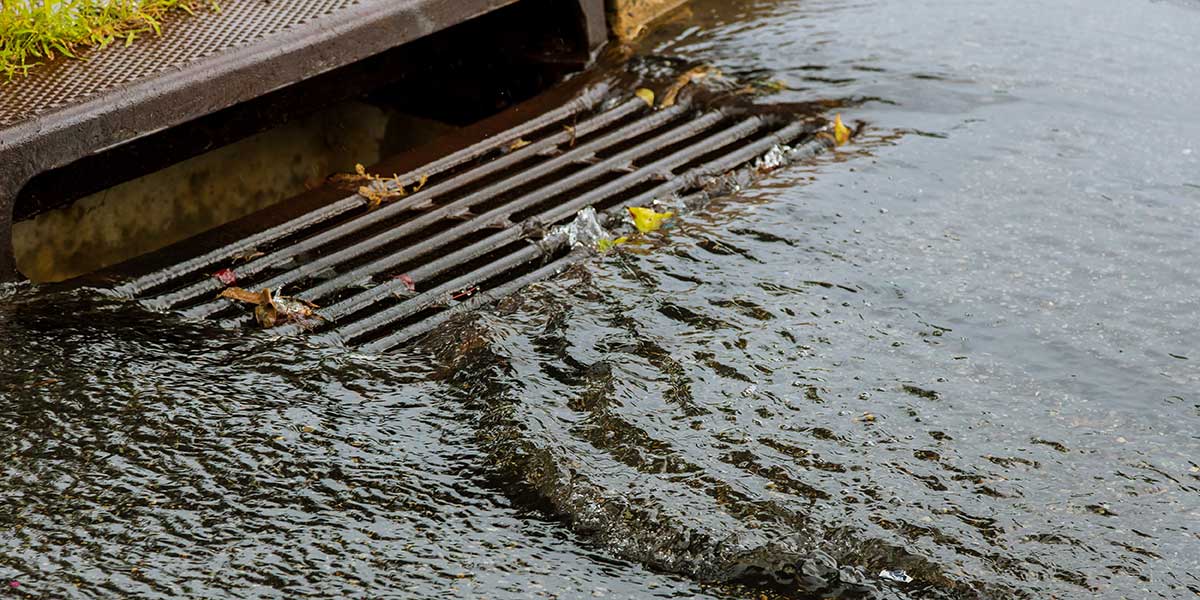
Water backing up in your shower after a storm usually points to a drainage problem rather than a broken fixture. Dinomite Service helps homeowners understand why drains slow down after heavy rain.
Below is a quick way to tell the difference between a temporary wet-weather issue and a need for professional drain cleaning in Springtown, TX.
What Happens Underground During Heavy Rainfall
Heavy rainfall changes how your plumbing behaves indoors. If you notice slow drains after heavy rain, saturated soil may be allowing groundwater to seep into damaged sewer lines through cracks or loose joints, contributing to backups.
Common Causes of Drain Backups After a Storm
A few conditions combine during wet weather, so it helps to know what to look for:
- Stormwater runoff: Excess water entering the sewer system can reduce available capacity and contribute to backups.
- Clogged drains: Grease and soap buildup narrows pipes, limiting how much a surge can pass through.
- Tree roots: Roots enter existing cracks or loose joints in the sewer line and catch debris as they grow.
- Aging drainage system: Older pipes can corrode, crack, shift, or collapse over time, creating restrictions that become more noticeable during heavy rain.
Any one might not cause trouble, but heavy rain exposes existing weaknesses. These tips for keeping drains clog-free can help you catch small issues early.
How To Spot a Slow Drain Before It Becomes a Backup
Watch for water draining slowly from more than one fixture at once, which often indicates a shared line rather than a single clog. Gurgling from a toilet when you run the sink is another sign.
A plumber can determine whether sluggish drains after a heavy downpour are due to a blockage or to damage that requires further repair. The International Plumbing Code sets requirements for drainage slope and venting, so repairs need to maintain proper system design.
Know When a Slow Drain Needs Professional Attention
Stop troubleshooting if water backs up whenever you run another fixture, or if you notice sewage odors or standing water in the yard. These signs often indicate a sewer line issue that warrants a camera inspection.
Heavy Rain and Drainage: What To Know
Heavy rain can raise groundwater levels, allowing water to seep into damaged sewer lines and reducing the capacity of wastewater systems.
Yes, saturated soil and cracked pipes let rainwater enter the sewer line, pushing wastewater back into your home.
An annual inspection catches most causes of sluggish drains after a heavy rainstorm before they lead to a full backup.
Get to the Source of Your Slow Drains
If more than one drain slows down during a storm, the cause is usually shared plumbing, not a single clog. We’ve built our reputation on honest pricing and lasting repairs.
Our team also handles stubborn drain clogs whenever routine maintenance is not enough. Call Dinomite Service today at (682) 244-2348 to fix drainage that slows down after heavy rain in Springtown, TX, or nearby areas.