
What to Do After Installing a New Water Heater and How to Improve Performance
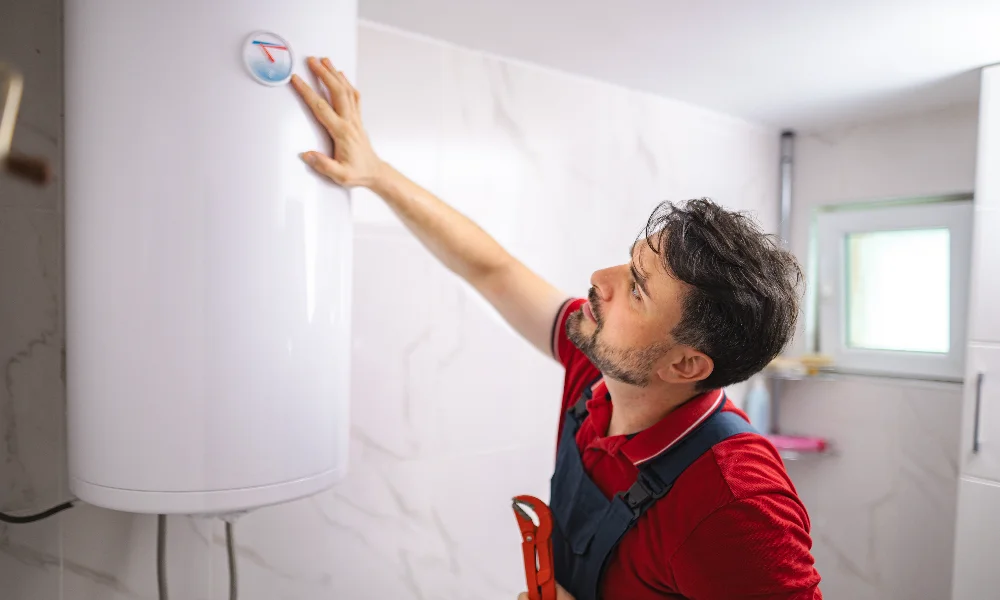
Installing a new water heater is a big step toward reliable hot water, but the work does not end at installation. Many performance issues start within the first day due to missed checks or incorrect settings. Knowing what to do after installing a new water heater helps you avoid early damage, safety risks, and comfort problems. This guide walks you through smart post-installation steps, common issues, heating timelines, and proven ways to improve long-term performance.
What to Do After Installing a New Water Heater
Following the right steps after installing a new water heater helps protect the system during its initial, most critical stage. Small details like valve positions, temperature settings, and early monitoring shape efficiency, safety, and lifespan. Issues such as uneven heating, trapped air, or minor leaks often appear early, which is why attention during the first 24 hours matters.
Check for Leaks Around Connections and Valves
Start by inspecting every visible connection, including inlet, outlet, and pressure relief areas. Even slow drips can weaken fittings over time and raise corrosion risk. However, moisture may also come from condensation, which clears once water reaches stable temperatures.
Verify the Water Heater Is Filled Before Powering On
The tank must be full before electricity or gas is active. Running a heater dry can burn heating elements or crack internal parts. This is how installers usually open a hot faucet until steady water flows.
Confirm Proper Temperature Settings
Set the thermostat near 120°F, which balances comfort and safety. Higher settings increase scald risk and energy use. The U.S. Department of Energy confirms that 120°F reduces energy costs and slows mineral buildup.
Check That All Faucets Are Getting Hot Water
Test faucets throughout the home, not just one location. This helps confirm balanced flow and clears trapped air from lines. If one fixture stays cold, the issue may be localized rather than heater-related.
Monitor for Normal Operation During the First 24 Hours
Listen for steady operation sounds without loud popping or clicking. Observe recovery time between uses. Short cycling or long delays may indicate setup issues that need to be corrected early.
Common Post-Installation Water Heater Issues and Their Causes
Even with professional installation, some issues appear after startup. Problems like no hot water after installing new water heater units or pressure changes usually trace back to setup details. Identifying causes early prevents repeat shutdowns and efficiency loss.
No Hot Water After Installing New Water Heater
A lack of hot water right after installation can feel serious, but it is usually linked to how the system was started. New water heaters require correct activation and stable supply conditions before heating begins. If those steps are incomplete, the unit may still not deliver hot water, even if it is not damaged.
Incorrect Thermostat Setting
The thermostat may be set too low or left in standby mode. Electric units sometimes ship with safety features enabled by default. Once adjusted, heat production often resumes normally.
Power Supply or Gas Connection Issues
Tripped breakers or closed gas valves stop heating entirely. Installers test connections, but homeowners should confirm that nothing was switched off afterward.
Pilot Light or Ignition Problems
Gas units rely on proper ignition. If the pilot fails or the igniter misfires, the burner never heats water. This requires inspection rather than repeated relighting attempts.
Low Water Pressure After Installing New Water Heater
Lower water pressure after installation is commonly caused by changes in system flow rather than tank failure. Plumbing adjustments during installation can temporarily restrict water flow, affecting pressure at fixtures before indicating any issue with the heater itself.
Sediment Disturbance During Installation
Installation can loosen mineral deposits in older pipes. These particles move into fixtures and restrict flow until cleared.
Partially Closed Shut-Off Valves
A valve that is not fully open limits pressure throughout the system. This often happens when valves are reopened slowly and forgotten.
Faucet Aerators Clogged With Debris
Small screens at faucet tips trap loosened sediment. Cleaning aerators often restores normal flow within minutes.
How Long Do New Water Heaters Take to Heat Up?
The time it takes a new water heater to produce hot water depends on how heat is generated, how much water needs to be heated, and the conditions in your plumbing system. New installations may also require extra time during the first heating cycle as air clears from the tank and temperature stabilizes. Knowing realistic heat-up timelines helps you avoid premature troubleshooting and allows the system to reach full performance without unnecessary adjustments or service calls.
Gas Units
Gas water heaters are known for faster recovery because their burners generate high, consistent heat directly beneath the tank. In normal residential conditions, most models heat a full tank within 30 to 40 minutes once activated. This quicker response makes gas systems well-suited for homes with higher or back-to-back hot water demand, especially during peak usage periods.
Electric Units
Electric water heaters typically require 60 to 90 minutes to heat a full tank, as the heating elements warm water in stages rather than all at once. While the initial heat-up takes longer, electric systems maintain stable temperatures once set and cycle predictably. This consistency helps reduce temperature swings and supports steady daily operation.
Factors That Affect Heat-Up Speed
Several variables influence how fast hot water becomes available.
Tank Size
Larger tanks take longer to reach the target temperature. However, they provide longer usage once heated.
Initial Water Temperature
Cold groundwater increases heating time. Winter months often extend recovery, even with new equipment.
System’s Efficiency Rating
High-efficiency models transfer heat more effectively. According to studies, efficient heaters can reduce water heating energy use by up to 30 percent.
Maintenance Tips to Maximize Performance
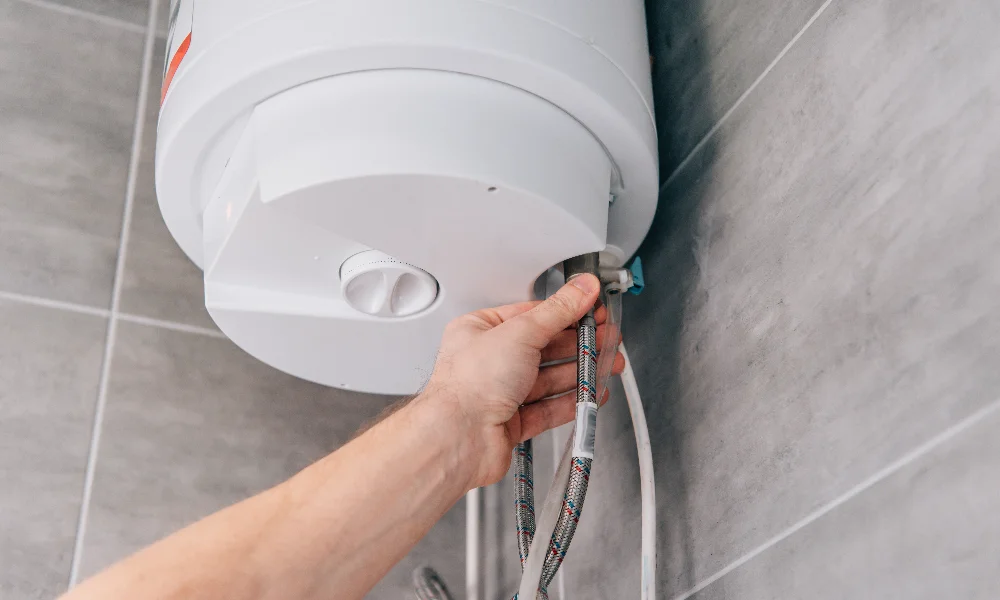
Knowing what to do after installing a new water heater is an imperative part of planning proper upkeep. Ongoing maintenance helps the system run safely, maintain consistent temperatures, and avoid performance loss caused by internal wear. When routine maintenance is neglected, sediment buildup and component wear can reduce efficiency and shorten the heater’s service life. Regular attention supports reliable operation and lowers the risk of unexpected issues over time.
Flush the Tank Annually to Reduce Sediment
Over time, dissolved minerals in water settle at the bottom of the tank and harden into sediment. This buildup interferes with heat transfer, forcing the heater to work harder and increasing wear on internal components. Annual flushing helps maintain heating efficiency, protects the tank lining, and supports consistent hot water output throughout the year.
Test the Pressure Relief Valve Periodically
The pressure relief valve is an imperative safety component that releases excess pressure from the tank. Periodic testing ensures the valve opens when needed and seals properly afterward. If the valve becomes stuck or unresponsive, pressure can rise inside the tank, creating conditions that require prompt professional attention.
Insulate Hot Water Pipes for Better Efficiency
Uninsulated hot-water pipes lose heat as water travels from the heater to the fixtures. Insulation helps retain water temperature, reducing heat loss and shortening the time it takes for hot water to reach taps. This improved efficiency lowers energy demand and supports more consistent hot water delivery during daily use.
Schedule Professional Annual Maintenance
Professional inspections catch early wear, electrical issues, or combustion problems. Many homeowners overlook this step until bills rise, even though declining heater efficiency often increases power consumption over time. If energy costs climb unexpectedly, understanding how a bad water heater can raise your electric bill helps identify whether performance loss is already affecting monthly expenses.
FAQs
Yes, running water clears the air and confirms a full tank fill. This step protects heating elements and stabilizes pressure.
You can use it once the tank reaches the target temperature. Gas units are faster, while electric models take longer.
New tanks usually do not need immediate flushing. However, early sediment from pipes may require attention within the first year.
Contact Dinomite Service for Professional Water Heater Installation in Texas
A new water heater performs best when installation, setup, and follow-up are done correctly. Dinomite Service helps Texas homeowners avoid startup issues, safety risks, and performance loss. If you are unsure what to do after installing a new water heater, our licensed professionals can inspect, adjust, and maintain your system with care. Schedule service today to protect your investment and enjoy reliable hot water without stress.