Why Would the Hot Water Pressure Be Low and How to Fix It
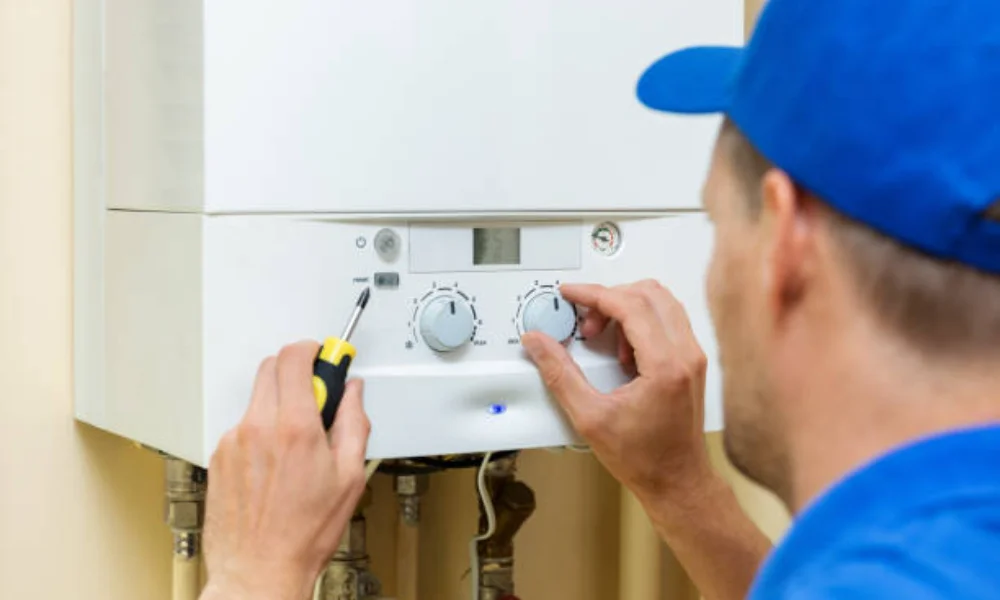
Low hot water pressure can make basic activities become daily annoyances. Washing the dishes takes longer. Showers don’t feel as restful. And you start to wonder what went wrong. Many homeowners frequently inquire, “Why would the hot water pressure be low?” This decline can be caused by a myriad of factors, ranging from minor obstructions to more serious plumbing issues.
In this article, we’ll look at the most common causes, how to test your system, and how to fix low hot water pressure safely and effectively. Along the way, we’ll address another prevalent concern: can a water heater cause low water pressure? Let’s dive in.
Why Would the Hot Water Pressure Be Low?
Sediment Buildup Inside the Water Heater Tank
Minerals eventually settle at the bottom of your water heater tank. When the buildup gets excessive, it reduces the available space for hot water. This results in a decline in pressure, particularly if you have hard water. Sediment can also clog internal components, leading you to wonder again why would the hot water pressure be low during daily use.
Corrosion or Mineral Deposits in Pipes
Old or metal pipes corrode, and mineral deposits accumulate on their walls. As the tube narrows, less hot water passes through. This physical restriction may make you wonder, “Can a water heater cause low water pressure?” Often, the tank is fine; the pipes are the true problem.
Clogged or Failing Fixtures and Aerators
Faucet aerators and showerheads collect debris over time. Even a little layer of dirt can result in reduced hot water flow. If pressure decreases occur at specific fittings, these little pieces could be the cause.
Partially Closed Shut-Off Valves
It sounds simple, but a slightly closed valve can make hot water appear weaker. If someone recently maintained the tank, the valves may not have been entirely reopened.
How Do I Test My Hot Water Pressure?
Checking Pressure at Multiple Faucets
Begin by checking taps throughout your home. If only one faucet has low pressure, the problem is probably local. When all fixtures exhibit identical symptoms, you may have a larger issue, such as silt accumulation or faulty valves.
Using a Water Pressure Gauge
A pressure gauge provides a clear readout. Connect it to a hose bib and activate the hot water. This allows you to establish whether the problem impacts the entire system.
Comparing Hot vs. Cold Pressure Levels
Turn on both the hot and cold water. If cold water flows strongly but hot water does not, it is a clear indication that either the heater or related plumbing is the problem. Many homeowners associate this test with issues like “why would the hot water pressure be low?” because the discrepancy speaks volumes.
Call a Plumber for a Professional Pressure Test
If DIY tests do not yield a clear cause, it is preferable to contact a licensed plumber. They carry tools to determine where the pressure decrease begins.
How to Fix Low Hot Water Pressure
Clean or Replace Faucet Aerators and Showerheads
Unscrew the aerators and showerheads and rinse them with warm water. If the debris is persistent, soak it in vinegar. This easy remedy frequently restores pressure fast and addresses how to fix low hot water pressure concerns at specific fixtures.
Flush Sediment From the Water Heater Tank
Draining the tank once or twice a year helps to reduce silt buildup. This enhances both water quality and flow. It also clears up concerns like can a water heater cause low water pressure by ensuring the tank operates smoothly.
Inspect and Replace Old or Corroded Pipes
If your home has ancient galvanized pipes, interior corrosion might be serious. Replacing them with copper or PEX restores proper pressure and increases water quality.
Have a Professional Adjust or Replace Pressure Regulating Valves
A faulty pressure regulating valve (PRV) might result in unexpected pressure loss. A plumber can adjust or replace it to maintain the flow.
Signs the Water Heater Needs Repair or Replacement
Inconsistent or Fluctuating Water Pressure
If the pressure fluctuates while using hot water, it could indicate a problem with the tank or pipes.
Rusty or Discolored Hot Water
Brown or yellow hot water indicates interior deterioration. This problem diminishes pressure and impairs water quality.
Strange Noises Coming From the Tank
Rumbling or popping noises usually signal excessive sediment buildup.
Water Taking Too Long to Heat Up
Slow heating typically indicates that the tank is struggling due to blockage or aged parts.
Leaks Around the Base of the Water Heater
Puddles surrounding the heater are a red flag. Leaks can reduce pressure and cause significant damage.
Hot Water Runs Out Faster Than Usual
If your supply runs low too quickly, sediment may be taking up too much room in the tank.
The Unit Is Over 10 Years Old
Older heaters gradually lose efficiency and pressure.
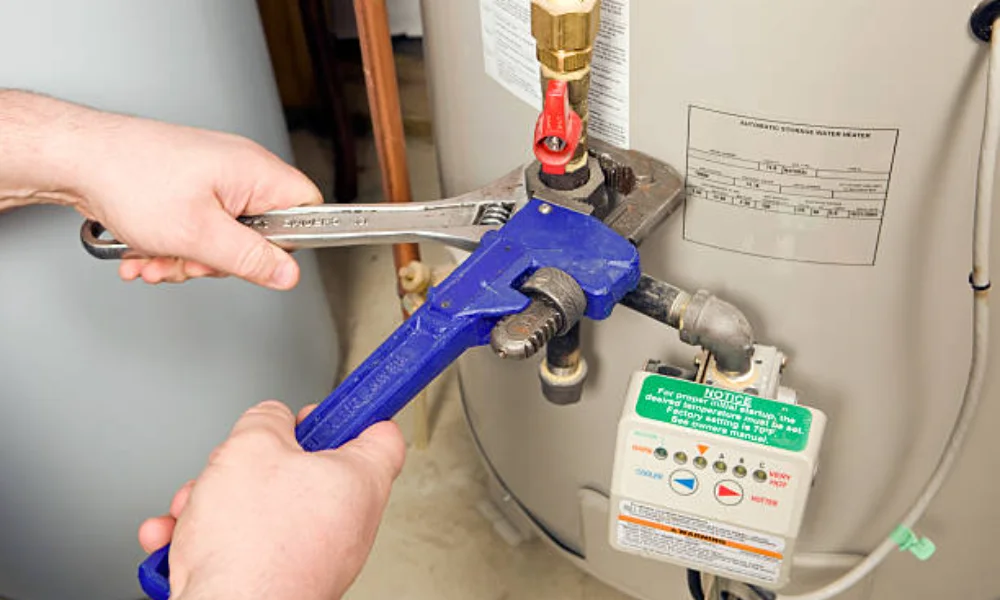
How to Prevent Hot Water Pressure Problems
Flush the Water Heater Annually
Flushing the tank annually helps eliminate silt and prevents long-term harm.
Install a Whole-House Water Filtration System
A filtration system removes minerals and dirt that might clog pipes and fixtures.
Monitor Pressure and Temperature Settings
Setting your system correctly reduces unneeded pressure on your pipes.
Schedule Routine Plumbing Inspections
A quick yearly inspection detects early indicators of pressure drop before it causes a headache.
FAQs
Most homes run best between 40 and 60 PSI. Anything lower may have an impact on daily activities.
Showers clog faster than sinks due to mineral-rich water. The showerhead may require a simple cleaning.
Yes. Tankless devices may experience pressure dips if the filter becomes clogged or the system is inadequate.
Call Dinomite Service for Professional Water Heater Repairs in Parker, TX
Low hot water pressure can feel like a never-ending battle, especially when you keep asking yourself why would the hot water pressure be low. Whether it’s sediment buildup, faulty valves, or clogged fixtures, the solutions vary but are absolutely within reach. If you’ve tried basic steps and still wonder how to fix low hot water pressure, it’s time to get expert help.
Dinomite Services repairs, replaces, and maintains water heaters for residents in Parker, Texas. Our expert specialists can swiftly determine whether your problem is related to the heater, fixtures, or plumbing lines. Call us today to get your hot water pressure back to normal—fast and easy!